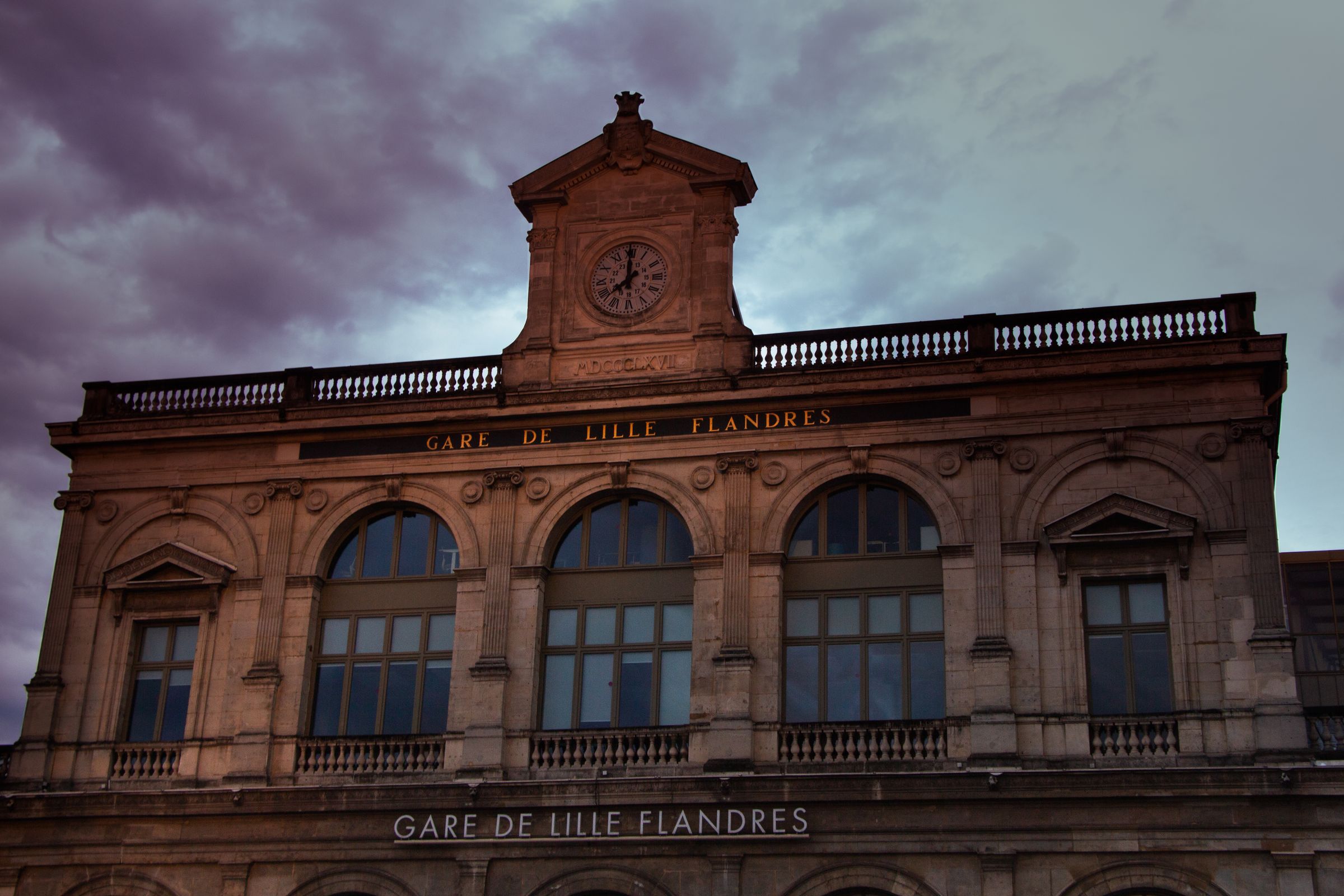
Lille metro: Mel wins commitments from Alstom and Ilévia
Metropolis imposes conditional oversight after September metro breakdowns
The European Metropolis of Lille has extracted a set of formal commitments from the operator and manufacturer behind its troubled metro line 1, after convening both parties to account for a series of failures that left hundreds of passengers trapped underground. At a meeting held on Tuesday, Éric Skyronka, president of the Mel, brought together representatives of Alstom, the rail manufacturer, and Ilévia, the metropolis’s public transport network, to draw the lessons from the breakdowns of 16, 17 and 20 September.
The accountability question at the centre of the session was the automatic pilot system deployed by Alstom, which was once again identified as the cause of the disruption. Its most serious manifestation came on 16 September, when a giant failure paralysed the entire line for several hours and left hundreds of travellers stuck in the trains, some eventually walking out through the tunnels.
Alstom has acknowledged its responsibility for that breakdown. According to the metropolis, in a statement sent to ICI Nord, the previous version of the automatic pilot software, put into service in March 2026, has been reinstalled and “is operating in a stable manner and has caused no new major malfunction since it was brought back into service”. The reference coverage of the meeting and its aftermath can be consulted at https://www.ici.fr/hauts-de-france/nord-59/lille/metro-de-lille-ce-qui-va-changer-apres-la-reunion-convoquee-par-le-president-de-la-mel-avec-alstom-et-ilevia-1297020.
The manufacturer left the meeting bound by several engagements. It committed to strengthening the studies, tests and validation phases that precede any deployment of new software versions, and to identifying reliable technical solutions capable of ensuring communication with passengers on board the trains, including during disruptions. The Mel has insisted that any future update of the automatic pilot software be “conditional on the presentation of sufficient guarantees as to the reliability and robustness of the system”.
Financial responsibility was placed squarely on the contractor’s side. Éric Skyronka recalled that “the financial consequences linked to the failures of the system and to the operations necessary to make it reliable will have to be borne by Alstom”. In other words, a repeat of the September failures would expose the manufacturer to financial penalties, a lever the metropolis is explicitly holding over the company.
Passenger information was the second accountability thread of the meeting. On 16 September, the failure of the automatic pilot had also knocked out the on-board information system, leaving travellers without guidance at the height of the crisis. Alstom states that it has “provided Kéolis Lille, the manager of the Ilévia transport network, with the technical solution needed to broadcast messages on board the trains”. Kéolis, for its part, has undertaken additional measures: deploying complementary means of information, including an educational video broadcast on the on-board screens of line 1 recalling the correct reflexes during a traffic interruption, alongside real-time traffic information; reinforcing the presence of agents in stations to welcome, inform and guide travellers during incidents; and improving emergency signage in stations and tunnels so that passengers can be better oriented.
The president of the Mel welcomed these measures while making clear that he will remain attentive to their implementation. Monthly meetings of this kind are to continue “until a satisfactory implementation of the commitments and the return of a reliable, safe service that meets users’ expectations”, a formulation that keeps the oversight mechanism formally in place rather than treating the matter as closed.
Meanwhile, the governance pressure around the line has not come from the institutions alone. The Lillois transport users’ association, Mobilille, has called for a demonstration this Friday at 4pm in front of the Mel headquarters, demanding a commercial gesture in response to the repeated failures of line 1 since the start of the school year. The service has continued to show fragility: this Sunday afternoon, line 1 was once again out of service because of a fault in the automatic pilot, with replacement buses laid on for travellers while circulation was restored. The sequence of failures began on Wednesday 16 September and continued into Thursday 17 September, after which the president of the Mel announced he would convene the representatives of Ilévia and Alstom. Since Wednesday evening, the line had been partially halted across the Lille metropolis, with the Ilévia network attributing the disruption to the automatic pilot and confirming the substitution buses.
What the meeting establishes, in institutional terms, is a framework of conditionality: software changes gated behind demonstrated reliability, costs of failure shifted to the manufacturer, and a standing monthly review that keeps both Alstom and Kéolis answerable to the metropolis until the service meets the standard its authority has set. Whether that framework holds when the next update is proposed remains the open question.
Q&A
Who convened the accountability meeting and who attended?
Éric Skyronka, president of the European Metropolis of Lille (Mel), brought together representatives of Alstom, the rail manufacturer, and Ilévia, the metropolis's public transport network.
What caused the September breakdowns on line 1?
The automatic pilot system deployed by Alstom was again identified as the cause, with the most serious failure on 16 September paralysing the entire line for several hours and leaving hundreds of passengers trapped, some walking out through the tunnels.
What financial accountability was established?
Éric Skyronka stated that the financial consequences of the system's failures and of the operations needed to make it reliable must be borne by Alstom, meaning a repeat of the September failures would expose the manufacturer to financial penalties.
What oversight mechanism remains in place?
Monthly meetings of this kind will continue until there is satisfactory implementation of the commitments and the return of a reliable, safe service meeting users' expectations, keeping Alstom and Kéolis answerable to the metropolis.