Sports Tourism's Hidden Cost: Getting Around Mauritius
Transport economics shape the island's sporting itinerary for operators and visitors
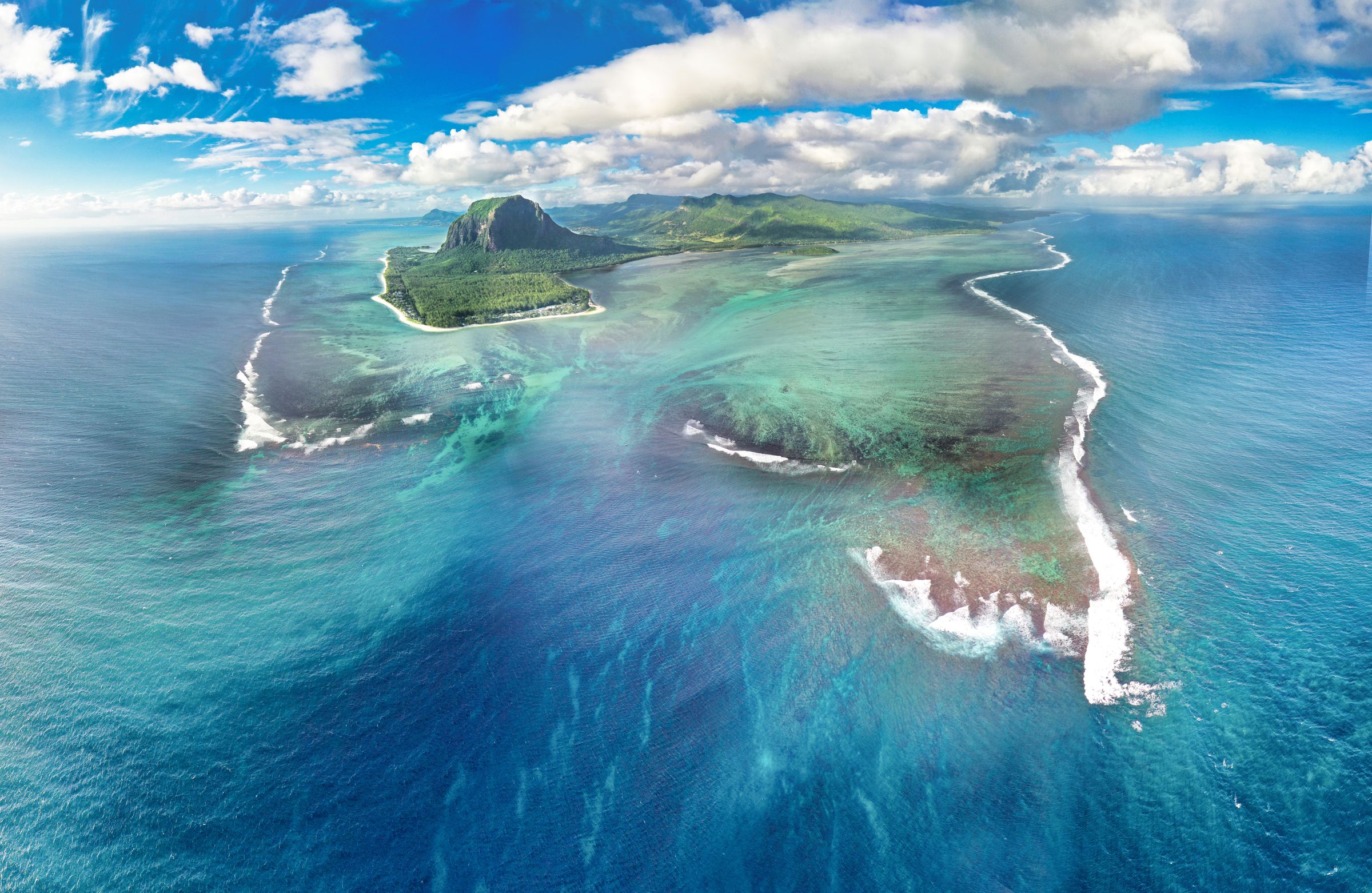
Maurice’s sports tourism economy runs on a simple calculation: the island packs world-class kitesurfing, trail running, diving and more than a dozen golf courses into 65 kilometres of coastline, yet the activities are scattered so widely that transport costs can quietly become the largest line item of a sporting stay. For operators, hoteliers and visitors alike, the logistics bill shapes the whole itinerary.
The economics of getting around explain why so many practitioners now arrange a location voiture Maurice directly at the airport. Spots sit 30 to 70 kilometres apart, and a kitesurf session at Le Morne followed by an altitude hike the next day demands schedules the bus network cannot support. Renting a vehicle lets travellers chase wind, swell and weather rather than a fixed programme, converting repeated taxi fares into a single, predictable cost. Practical considerations carry financial weight too: a break or small SUV is recommended for anyone carrying a kite, a board or golf bags, so checking boot volume and roof bars before booking avoids an upgrade fee later. Drivers should note left-hand traffic, narrow and winding mountain roads towards Chamarel and Plaine Champagne, speed limits of 40 km/h in town, 80 km/h on open roads and up to 110 km/h on the M1 motorway, frequent speed cameras, and Port-Louis traffic jams between 7 am and 9 am and again in the late afternoon. A French driving licence is accepted for tourist stays under a month. On security, gear left in the boot rather than on the seat protects both equipment and rental deposits.
The kitesurf segment concentrates in the southwest, where the Le Morne lagoon is the reference spot. Trade winds blow reliably from May to October, the southern-hemisphere winter, with flat water inside the reef for learners and waves outside for experienced riders. One Eye, at the reef pass, ranks among the sport’s best-known waves but is reserved for very high skill levels. Local schools rent equipment and supervise beginners, an entry-level revenue stream in its own right. Independent riders benefit from flexibility: when the wind drops at Le Morne, the southeast coast around Pointe d’Esny and Blue Bay can take over, and with a vehicle a spot change takes under an hour.
Golf, by contrast, represents the island’s most hotel-linked asset. More than a dozen courses exist, several 18-hole layouts designed by major architects and typically attached to resort complexes on the east and south coasts. Some accept outside players for a green fee, subject to reservation, with early-morning tee times both the most pleasant and the most in demand. For the resorts, this access policy turns golf into a direct revenue channel beyond overnight guests.
Diving and snorkelling centre on the Blue Bay marine park in the southeast, a protected area where coral remains healthy a few metres from the beach; visitors can snorkel from shore or take a glass-bottom boat. Dive clubs operate across the island, with the west coast around Flic en Flac known for drop-offs and wrecks, and the north offering trips to the islets off Grand Baie. Visibility is generally best outside the December-to-March rainy season, when runoff clouds coastal water.
Hiking and trail running rely on volcanic terrain of short, steep peaks. The Piton de la Petite Rivière Noire, the island’s high point at 828 metres, is climbed from the Plaine Champagne plateau within the Black River Gorges national park, which holds most of the marked trails. Le Pouce, at 812 metres above Port-Louis, takes half a day from Saint-Pierre and overlooks the capital and north coast. Le Morne Brabant, Unesco-listed for its history linked to marronnage, involves a steep ascent, part of which requires checking access conditions beforehand. The gorges trails also host several local trail races. One rule applies to every outing: start at dawn, because from 10 am heat and humidity make exertion markedly harder even in winter.
Surfing remains a niche for the experienced, with most waves breaking on shallow coral reef. Tamarin on the west coast is the historic and most accessible spot, while the reef-free south receives powerful swell but dangerous currents, with swimming often banned. A local school familiar with the tides is the advised entry point.
Seasonality drives pricing across all these segments. From May to October, milder temperatures of roughly 23 to 26 °C and steady winds favour kitesurfers and hikers; from November to April, hotter, more humid conditions carry cyclonic risk between January and March, while calmer western seas suit divers. The best value window for combining disciplines falls in May and October, when wind is arriving or lingering, trails are passable and prices sit below the peaks of February and December. For a fuller overview of the island’s sporting offer, see https://www.sport.fr/surf/ile-maurice-cote-sport-kitesurf-trail-plongee-et-golf-comment-organiser-son-sejour-1490170.shtm
Q&A
Why is transport such a significant cost for sports tourists in Mauritius?
Sporting sites sit 30 to 70 kilometres apart along the 65-kilometre coastline, and the bus network cannot support the schedules needed, so transport can quietly become the largest line item of a sporting stay.
How do resorts monetize golf beyond overnight guests?
Several of the island's more than a dozen courses, typically attached to resort complexes on the east and south coasts, accept outside players for a green fee subject to reservation, turning golf into a direct revenue channel.
When is the best value window for a multi-discipline sporting stay?
May and October, when wind is arriving or lingering, trails are passable and prices sit below the peaks of February and December.
What practical rental considerations affect cost and security?
A break or small SUV is recommended for carrying kites, boards or golf bags to avoid upgrade fees; gear left in the boot protects equipment and rental deposits; a French driving licence is accepted for tourist stays under a month.