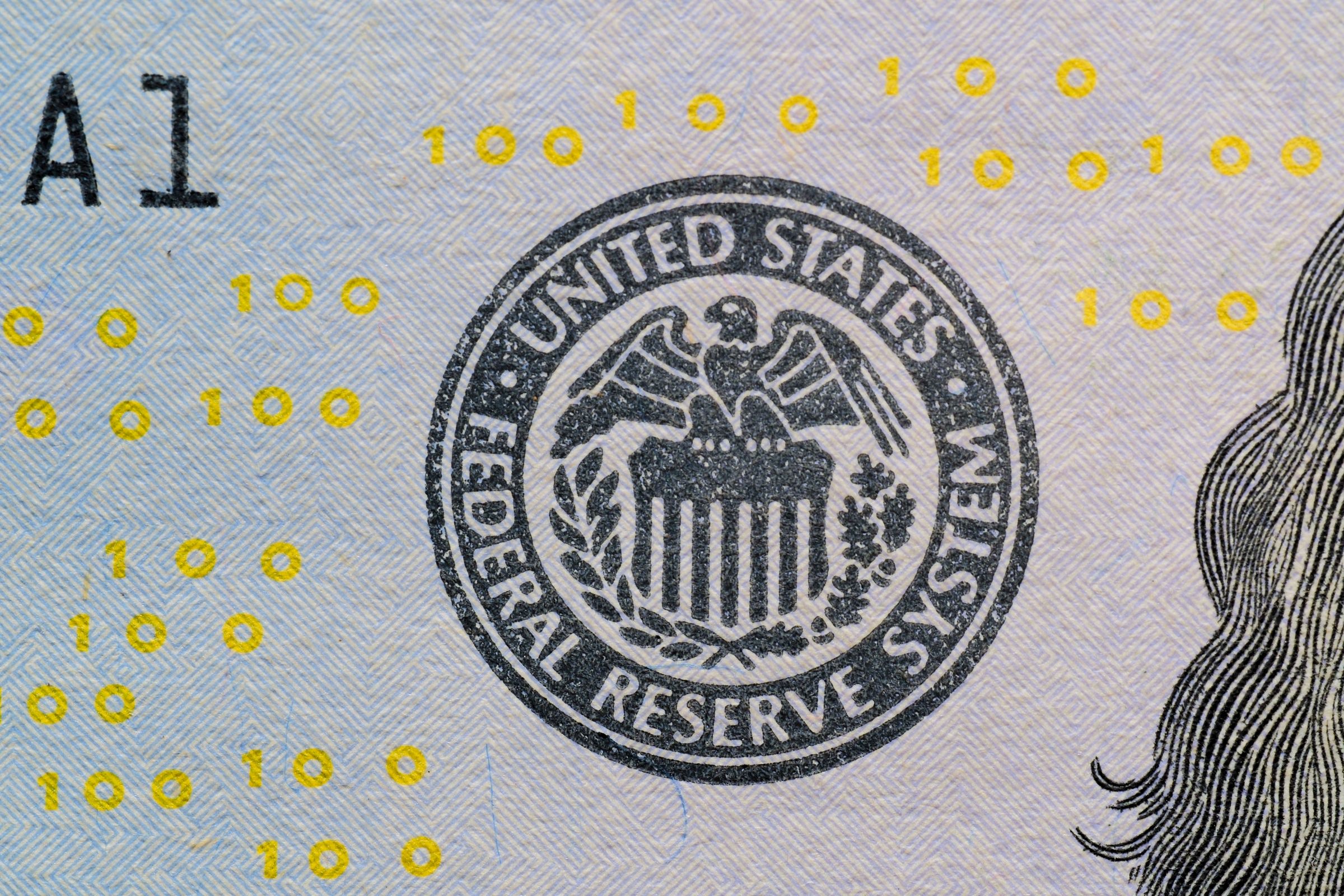
US inflation surge puts Fed rate timetable back in focus
Hormuz oil chokehold pushes CPI above forecast, forcing Fed's hand this month
A fresh surge in US inflation has put the Federal Reserve’s rate-setting timetable back in the spotlight, and the consequences rippled through Asian markets on Thursday as technology firms absorbed another round of heavy selling.
The trigger was September’s consumer price index reading, which came in at 3.7 percent, up sharply from the previous month and above the 3.6 percent analysts had forecast. It was the highest figure in five months. The mechanics behind it point to a delivery problem at the level of global energy infrastructure: the jump was largely driven by rising energy costs stemming from the Iran war, with Tehran effectively choking off the Strait of Hormuz, the passage through which a fifth of global crude oil flows. Gasoline costs alone accounted for more than half of the monthly CPI increase, surging 9.1 percent in September.
For the Fed, the numbers complicate an already delicate schedule. The bank had lifted rates in September, and the new data will add pressure for at least one more hike, with its next decision due on October 28, a week before the US midterm elections. Bets on a second successive increase climbed as soon as the figures were released. According to CME Group’s FedWatch tool, there is now a 37.1 percent chance that officials will announce a 25-basis-point increase this month, up from around 22 percent before the data came out.
The operational reality on trading floors reflected that repricing almost immediately. Seoul and Tokyo again bore the brunt of the selling as traders exited once-imperious chipmakers, though the losses were heavy across most of the region, tracking sharp declines on Wall Street. Technology firms, which rely on borrowing to fund their enormous AI investments, led the losses on Thursday.
Analysts framed the report as a direct challenge to the Fed’s execution of its rate path. “This CPI report is a headache for the Fed, which had been indicating a willingness to pause this month,” said Neil Wilson at Saxo Markets, referring to several board members who had suggested they favoured a go-slow approach to assess last month’s lift. “Markets too had all but priced out a hike later this month but repriced for the Fed to move a bit quicker after US inflation came in a little hotter than expected.”
Pepperstone’s Chris Weston pointed to the breadth of the price pressures as the core problem. “Further evidence of right-tail inflation risk in the US has reinforced the higher-for-longer rates narrative, with sellers emerging across risk assets and interest rate-sensitive equities coming under renewed pressure,” he wrote. “The breadth of price pressures across the CPI basket has been particularly concerning, challenging a market desperately in need of evidence of disinflation.”
In practical terms, Weston noted, the market has already adjusted its expectations for what the Fed will actually deliver. “A December hike is now effectively fully priced,” he said, adding that there was also a 66 percent probability of a lift in January.
Meanwhile, the wider context remains one of markets struggling with doubts about the outlook for the AI investment boom, now compounded by an inflation print that arrived hotter than expected. A reference version of this report appeared at https://uk.finance.yahoo.com/news/tech-stock-lead-rout-us-025325864.html.
The through-line for observers of whether policy delivery keeps pace with events is straightforward: a supply bottleneck in global oil transit has fed through to gasoline prices, gasoline prices have pushed the CPI above forecasts, and the above-forecast CPI has tightened the timeline for the Fed’s next move. With the October 28 decision falling a week before the midterms, the gap between what the central bank had signalled and what the data now demands has become the central question for markets in the weeks ahead.
Q&A
What drove September's US inflation surge?
Rising energy costs from the Iran war, with Tehran choking off the Strait of Hormuz, pushed gasoline prices up 9.1 percent, accounting for more than half of the monthly CPI gain and lifting the overall reading to 3.7 percent.
How does the inflation report affect the Federal Reserve's rate schedule?
It tightens the timeline for the central bank's next decision due October 28, with expectations shifting to at least one more rate hike even as several board members had favoured a pause to assess September's lift.
What is the current market-implied chance of a rate hike this month?
CME Group's FedWatch tool put the probability of a 25-basis-point increase this month at 37.1 percent, up from about 22 percent before the figures were released.
Which sectors and markets absorbed the heaviest selling in Asia?
Technology firms that rely on borrowing to fund large AI investments led the losses, with Seoul and Tokyo bearing the brunt as trading floors repriced almost immediately, tracking sharp declines on Wall Street.