Seven Deaths at Sea: Report Probes Yacht Safety Gaps
Report finds crew lacked vital stability and weather warnings before yacht sank
Seven people died and others survived only through the quick action of crew members when the sailing yacht Bayesian sank off the coast of Sicily in the early hours of 19 August 2024, according to a newly published marine accident investigation report. The findings, released as Accident Investigation Report 22/2026, raise questions that reach well beyond one vessel: whether the safety information given to those who sail for a living is adequate, and whether weather forecasts serve the people who depend on them when rare but dangerous conditions strike.
The yacht was at anchor 0.5 nautical miles south-east of Porticello, Italy, when, at 0406, a violent downburst of hurricane-force winds struck without warning. The force knocked Bayesian onto its starboard side. Unable to right itself, the vessel flooded and sank in 50 metres of water. Six guests and one crew member lost their lives.
For those who survived, the outcome depended on human intervention rather than equipment. None of the liferafts on board automatically inflated or released from the sinking vessel, which meant the crew had to deploy them manually. The crew organised the survivors in the water and helped them into a liferaft. They were later rescued by a nearby vessel and taken ashore.
The investigation identified a series of safety issues that shaped how the disaster unfolded. With no sails set, Bayesian was vulnerable to a knockdown in severe winds. That vulnerability was affected by the yacht’s loading condition, the apparent wind angle and the position of the centreboard. Crucially, the report found that this risk had not been identified in the originally approved stability information available to the crew, meaning those responsible for the vessel were working without full knowledge of how it might behave in extreme conditions.
Meanwhile, the information available to mariners more broadly also fell short. Guidance provided to those at sea did not contain sufficient detail about the impact of possible weather conditions to support decision-making. The weather forecast for the area, while predominantly correct, did not indicate the risk of downbursts from the thunderstorms that had been predicted. In other words, the forecast told sailors what was coming, but not the most dangerous part of it.
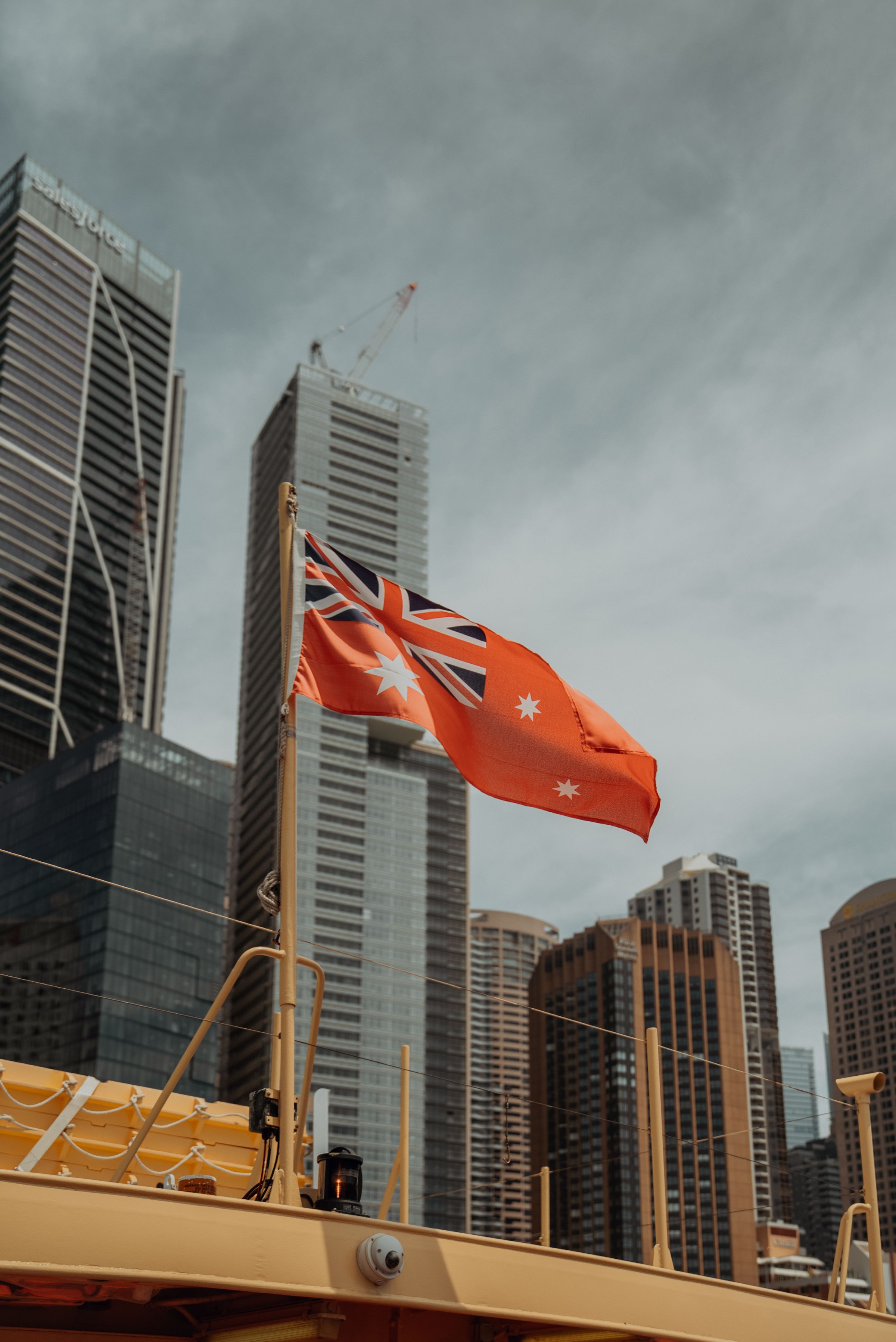
The report sets out recommendations aimed at preventing a repeat, each directed at bodies with a duty to protect those who go to sea. The Red Ensign Group is recommended to undertake a study of the vulnerabilities identified in the report and to amend the Red Ensign Group Yacht Code and its associated guidance to account for the findings. The Maritime and Coastguard Agency is recommended to amend its training syllabus for yacht masters so that it includes the risks from downbursts and severe wind gusts, equipping those in command of vessels with knowledge that could one day save lives.
Weather services are also in scope. The Met Office is recommended to raise with the World Meteorological Organization the need to consider how low likelihood, high impact weather hazards should be represented in its data services. The UK Hydrographic Office is recommended to develop and update guidance on the risks of such extreme weather in its publications.
Alongside the full report, a safety flyer has been produced for the yachting industry, and an interim report on the investigation into the foundering of Bayesian was issued in May 2025. Together, these documents form a record intended to ensure that the lessons of that August night are carried forward, so that crews, passengers and the wider maritime community are better protected the next time rare and violent weather meets a vessel at anchor. Whether the recommended changes to forecasts, training and yacht codes arrive in time for the next storm season remains the open question the industry will be watching.
Q&A
What happened to the yacht Bayesian and who was affected?
Six guests and one crew member died. Survivors were saved by crew members who manually deployed liferafts, since none of the liferafts on board automatically inflated or released from the sinking vessel. The crew organised survivors in the water, helped them into a liferaft, and they were later rescued by a nearby vessel and taken ashore.
What safety gaps did the investigation identify on board?
With no sails set, the yacht was vulnerable to a knockdown in severe winds, a risk affected by its loading condition, the apparent wind angle and the position of the centreboard. Crucially, this risk had not been identified in the originally approved stability information available to the crew, so those responsible lacked full knowledge of how the vessel might behave in extreme conditions.
How did weather information fall short for those at sea?
The forecast for the area was predominantly correct but did not indicate the risk of downbursts from the thunderstorms that had been predicted. Guidance available to mariners also lacked sufficient detail about the impact of possible weather conditions to support decision-making, so sailors knew what was coming but not its most dangerous element.
Which bodies received recommendations and what are they asked to do?
The Red Ensign Group should study the identified vulnerabilities and amend the Red Ensign Group Yacht Code and its guidance. The Maritime and Coastguard Agency should amend yacht master training to include downburst and severe gust risks. The Met Office should raise with the World Meteorological Organization how low likelihood, high impact hazards are represented in data services, and the UK Hydrographic Office should develop and update guidance on such extreme weather in its publications.