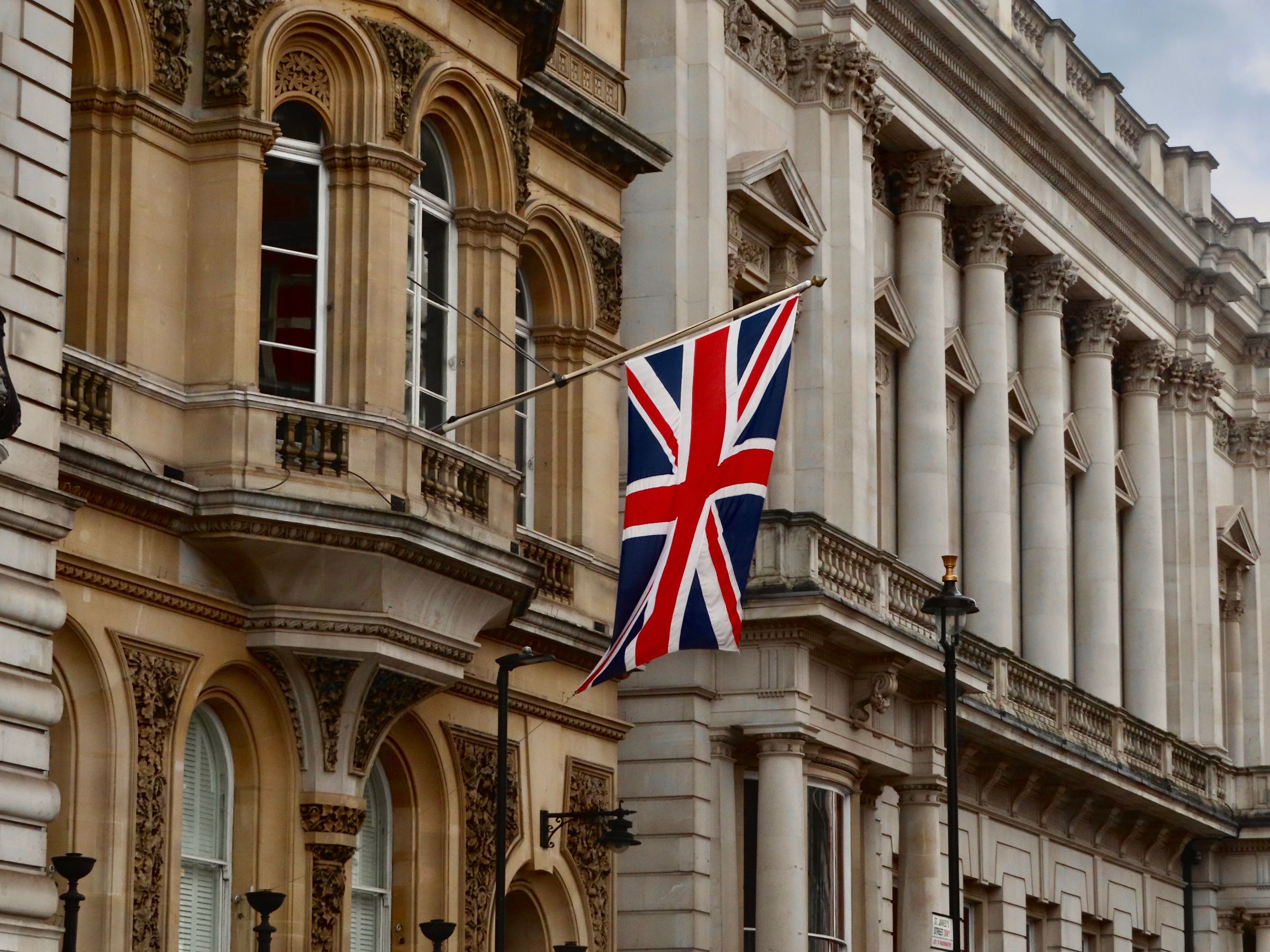
Defence minister Luke Pollard told BBC Breakfast that officials were “assessing the impact” of a global Microsoft outage on government platforms, with a statement to follow once the assessment is complete. A government spokesperson said ministers were “working closely” with Microsoft to determine any effect on public services, framing the episode as a live test of how well the state’s digital dependencies are understood and managed.
The outage, which has hit Outlook, Teams and Copilot, was caused by higher-than-usual stress on Microsoft’s servers, according to the company. Microsoft said a large number of its servers had become “unexpectedly available”, pushing traffic onto those that remained online and straining them, though it reported “early signs of stabilisation” as work on a fix continued. Both the company and cyber-security experts have ruled out a cyber-attack as the cause.
The strain on public institutions has been immediate and varied. MPs are unable to access their parliamentary accounts, although a spokesperson said alternative arrangements were in place to allow the day’s business to proceed. In the health system, Sir Ciarán Devane, chief executive of the NHS Alliance, which represents the healthcare system in England, Wales and Northern Ireland, said the outage was affecting some NHS services including emails, but that “all clinical and operational systems are working effectively”. He noted that contingencies were in place “to manage situations like this” and that teams were working to maintain essential services and minimise disruption.
Meanwhile, some GP surgeries have gone further, urging patients not to submit messages through their websites while the problem persists. Practices in Hampshire and Shropshire have told patients to phone or come into the surgery if they have an urgent need. A spokesperson for the National Pharmacy Association said pharmacies’ ability to communicate with GP practices and some patients had been affected, warning that “waits may be longer than normal and there may be delays to some prescriptions”.
Police forces have turned to the telephone as a fallback. The Metropolitan Police, Greater Manchester Police and North Yorkshire Police have all issued statements saying online forms may be affected, and have urged the public to call 101 with time-critical but non-emergency reports. South Wales Police and Dyfed-Powys Police reported similar issues and asked people to call if they need to get in touch, while Police Scotland said there may be delays in responding to forms submitted in the past 24 hours. The London Ambulance Service said its critical platforms do not use Microsoft and are therefore unaffected.
The union perspective sharpened the accountability question. Rachel Harrison, the GMB union’s national secretary, said the outage was having a “serious impact” across ambulance and NHS trusts. “Those who work in 111 and 999 services are unable to refer patient details in the normal way which is creating a massive backlog and has the potential for chaos,” she said, though she noted that “emergency and life threatening call outs appear to be unaffected”.
Education services have also been drawn in. Some teachers have reported being unable to access calendars, emails and files on cloud servers, and parents in several parts of Scotland have been told to call to report absences rather than use email. Northern Ireland’s Education Authority said its schools were unable to access email accounts.
By contrast, not every institution has been exposed. Heathrow, Manchester and Stansted airports are operating as usual, and it is understood that UK intelligence operations have been unaffected. While some elements of the security services use Microsoft tools, they maintain a separate system for secret operations, a design choice that appears to have insulated the most sensitive work from the disruption.
For cyber-security specialists, the episode is a lesson about concentration of risk. Jake Moore, a cyber-security adviser at ESET, compared the server strain to a blocked motorway lane. “Just like on a motorway, when you block one lane, you have to put all of the excess traffic through just, say, one or two lanes,” he said. “Everything goes and backs up. It slows down, and that’s what we’re seeing here.” Speaking on BBC Radio 4’s Today programme, he said the incident should “hammer home” the need for contingency communication networks that are “independent of others”. “Unfortunately, we just put so much emphasis on just a few providers, so when one big one like this goes down, the knock-on effects are just huge.” His view was echoed by Nicky Choo, who said his cyber-security firm Mimecast used Microsoft tools but had built-in alternatives to prevent disruption. Moore added that “good old-fashioned phone lines” seemed to be “the strongest form of communication, especially today”.
For some individuals, the outage brought an unexpected pause. One man, Martin, told the BBC that waking up to no new emails was “absolute bliss” until he realised “today is a crucial day to conclude a business deal”. But for the institutions responsible for delivering public services, the day has been less restful, and the government’s completed assessment of the damage is still awaited.