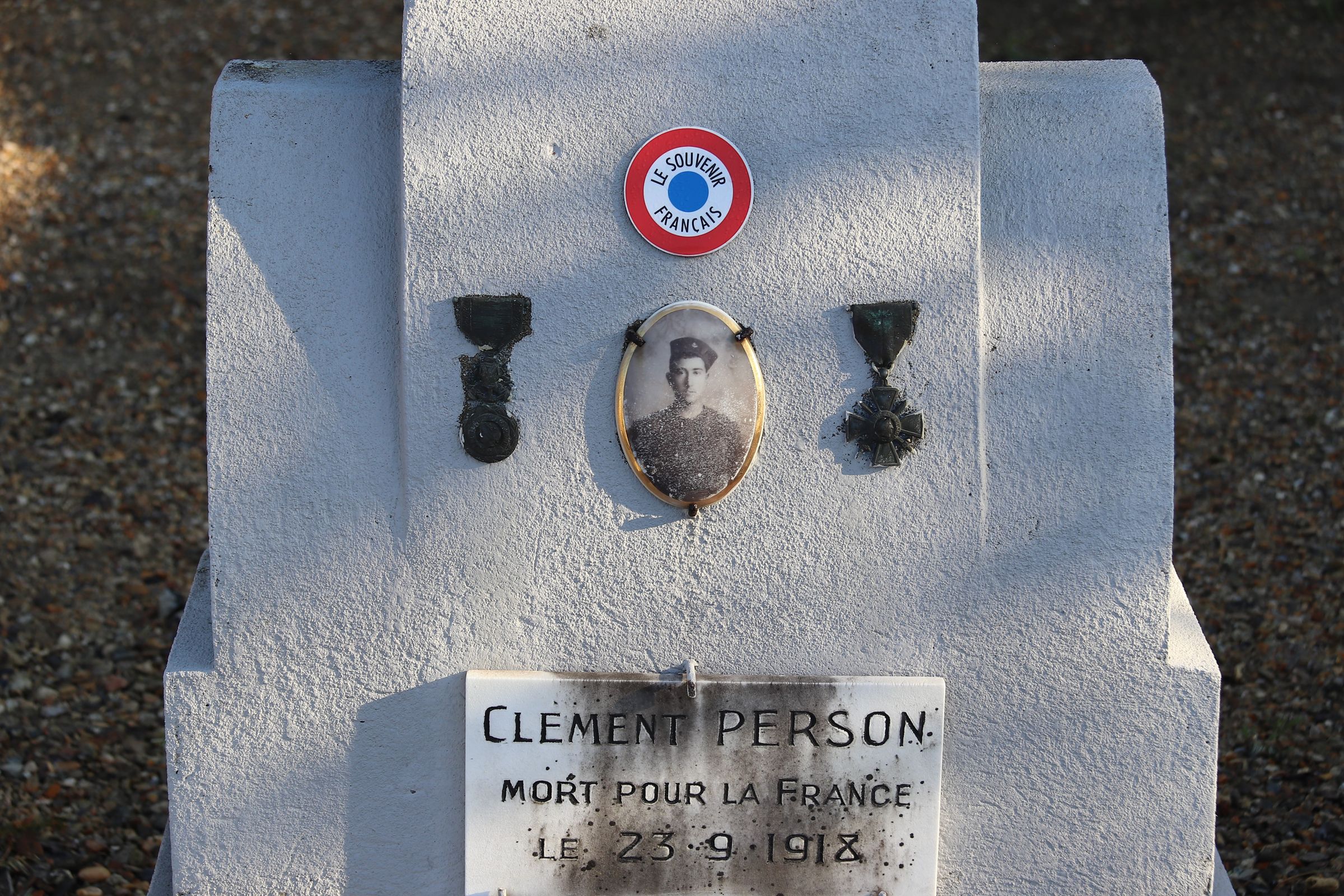
Graves flowered for 1 November, neglected burial sites inventoried, and the town’s cannons identified and documented: that was the record of concrete activity presented at the Souvenir français committee’s annual meeting, held at the cultural centre in Port-Vendres on Sunday 15 November.
Marie-José Chiajèse, president of the Port-Vendres committee, convened the assembly under the association’s statutes, bringing together a large share of the membership along with several representatives of the general delegation of the Pyrénées-Orientales. The purpose was formal: to present the activity report and the financial report. It also gave members a measure of what the new team has delivered since taking office a few months ago. The committee currently counts 49 members.
The operational picture was one of steady delivery alongside active participation in all national and departmental commemorations. Particular emphasis fell on the flowering of graves for 1 November and on the preservation of the burial sites of the Morts pour la France. Here the committee has moved from observation to action: it has recorded numerous tombs in a state of neglect and begun the first searches aimed at securing their safeguarding. A substantial effort has also gone into identifying all of the commune’s cannons, work that contributes directly to preserving Port-Vendres’ historical memory.
Following the reports, the general delegate, General Jean Lasvenes, addressed the newer members and set out the three missions of the Souvenir français: to preserve, to commemorate and to transmit. He also detailed the lines of effort adopted for 2026 and the objectives set by the national headquarters, giving the local committee its framework for the year ahead. Meanwhile, Alain Challe, the sector manager, presented the various initiatives launched at Le Perthus and across his sector, extending the operational review beyond Port-Vendres itself.
William Ségura, deputy mayor, closed the meeting. The participants then sang La Marseillaise a cappella before continuing the discussion over a buffet, bringing the assembly to an end in the association’s customary manner.
For a committee only months into its mandate, the meeting served as both an account of what has been done and a statement of what comes next, with preservation work on abandoned graves and the 2026 objectives now forming the core of its programme. Whether the first searches to safeguard the neglected tombs yield results before the year turns remains the open question for the months ahead.