Madagascar Constitution Talks Stall as Oversight Questions Mount
Constitutional consultation delayed as FFKM and transition authorities face accountability questions
Madagascar’s national consultation process, the mechanism meant to feed directly into the drafting of a new Constitution for the Fifth Republic, has yet to begin. This comes despite an official timetable published in August by the Ecumenical Council of Christian Churches (FFKM), the body charged with steering the exercise. The delay raises a governance question at the heart of the transition: who controls the calendar, who will draft the constitutional texts, and whether the institutional machinery now being assembled can deliver a referendum promised to Malagasy voters no later than July 2027.
The accountability gap is already visible in the official record. The website of the National Consultation states that consultations are currently under way at the commune level. In practice, that is not the case. The preceding stage, the collection of citizens’ contributions across the country’s 19,500 fokontany, the smallest administrative units in Madagascar’s neighbourhoods and villages, has not even started. Asked by RFI, the FFKM says it is completing the training of 15,600 facilitators who will be responsible for moderating the discussions and recording grievances and proposals. The organisation indicates that facilitators are on the verge of being deployed in the field, but it has not confirmed any effective start date.
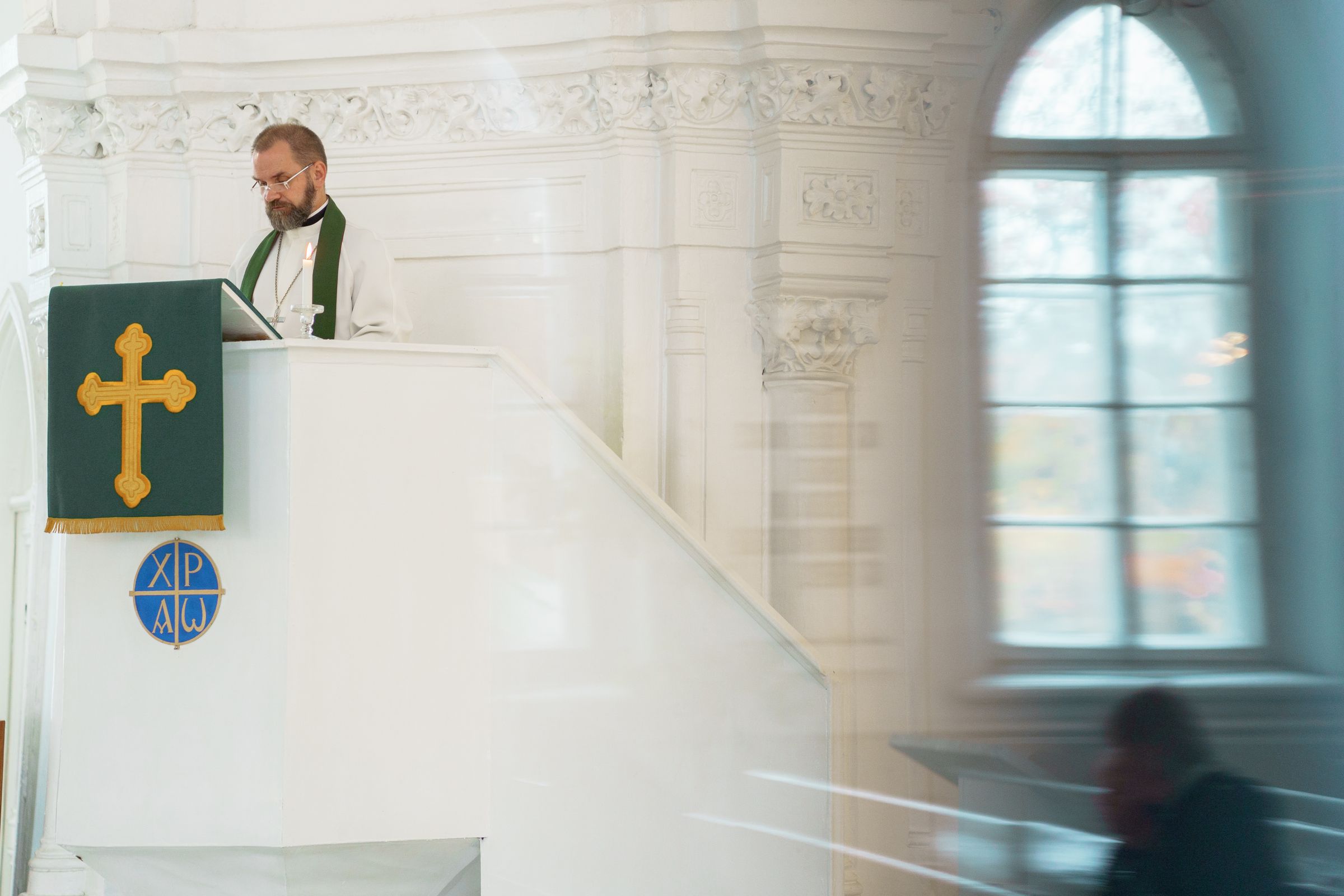
The reference article, published by RFI on 26 October under the title “À Madagascar, le processus de concertation nationale accumule les retards” (https://www.rfi.fr/fr/afrique/20261026-%C3%A0-madagascar-le-processus-de-concertation-nationale-accumule-les-retards), details the scale of the operation once it does get under way. Sessions across the country will systematically open with a Christian service of worship, which the Churches present as a means of fostering reconciliation. The consultations will then be structured around twelve themes, among them “Economy and sustainable development”, “Culture and Malagasy values”, and “Justice, security and the rule of law”. Results are to be synthesised and passed upward through the communes, districts and regions until they culminate in a national report.
That report is intended to inform one or more draft Constitutions, which the authorities have committed to submitting to Malagasy voters by referendum no later than July 2027. That deadline derives from the calendar set out in the Refondation programme submitted in early 2026 to the Southern African Development Community (SADC). Yet the transition authorities have not announced who will actually draft the constitutional texts for the Fifth Republic. The silence leaves open the most consequential question of the entire exercise: the mandate and composition of the drafting authority.
Civil society organisations have begun to flag procedural shortcomings. KMF-CNOE, an organisation specialising in election observation, deplored in a communiqué published on 22 October that “the process under way and the modalities for taking citizens’ contributions into account remain insufficiently clear for part of the population”. The statement points to a transparency deficit at a stage where the rules of the exercise, how contributions will be weighed, by whom, and with what effect on the final text, have not been publicly defined.
The institutional stakes are considerable. The consultation is designed as the input mechanism for a constitutional rewrite that will redefine the framework of the state, and its credibility depends on the sequence holding: fokontany-level collection, commune and regional consolidation, a national report, and only then drafting. With the first stage not yet launched and no start date confirmed, the margin before the July 2027 referendum deadline is narrowing. The FFKM, as pilot of the process, and the transition authorities, as guarantors of the calendar submitted to SADC, each face questions about their respective responsibilities for the slippage.
For now, the official architecture remains on paper. The 15,600 facilitators are in training, the twelve themes are defined, and the escalation route from villages to national report is set out. What remains undetermined is the start, the drafting mandate, and the clarity that civil society observers say is needed before citizens’ contributions can be seen as genuinely shaping the constitutional text they will be asked to approve.
Q&A
Who is responsible for steering Madagascar's national consultation process?
The Ecumenical Council of Christian Churches (FFKM) is the body charged with steering the exercise, and it published an official timetable in August. It says it is completing the training of 15,600 facilitators but has not confirmed an effective start date.
What stage has the consultation actually reached?
The collection of citizens' contributions across the country's 19,500 fokontany has not started, even though the National Consultation website states consultations are under way at the commune level.
What deadline governs the constitutional referendum?
The authorities have committed to submitting one or more draft Constitutions to Malagasy voters by referendum no later than July 2027, a deadline derived from the Refondation programme submitted in early 2026 to SADC.
What concerns have civil society organisations raised?
KMF-CNOE, an election observation organisation, published a communiqué on 22 October stating that the process and the modalities for taking citizens' contributions into account remain insufficiently clear for part of the population, pointing to a transparency deficit.