Who Controls Language Documentation Online? Accra Asks
Accra gathering probes consent, ownership and authority in digital language work
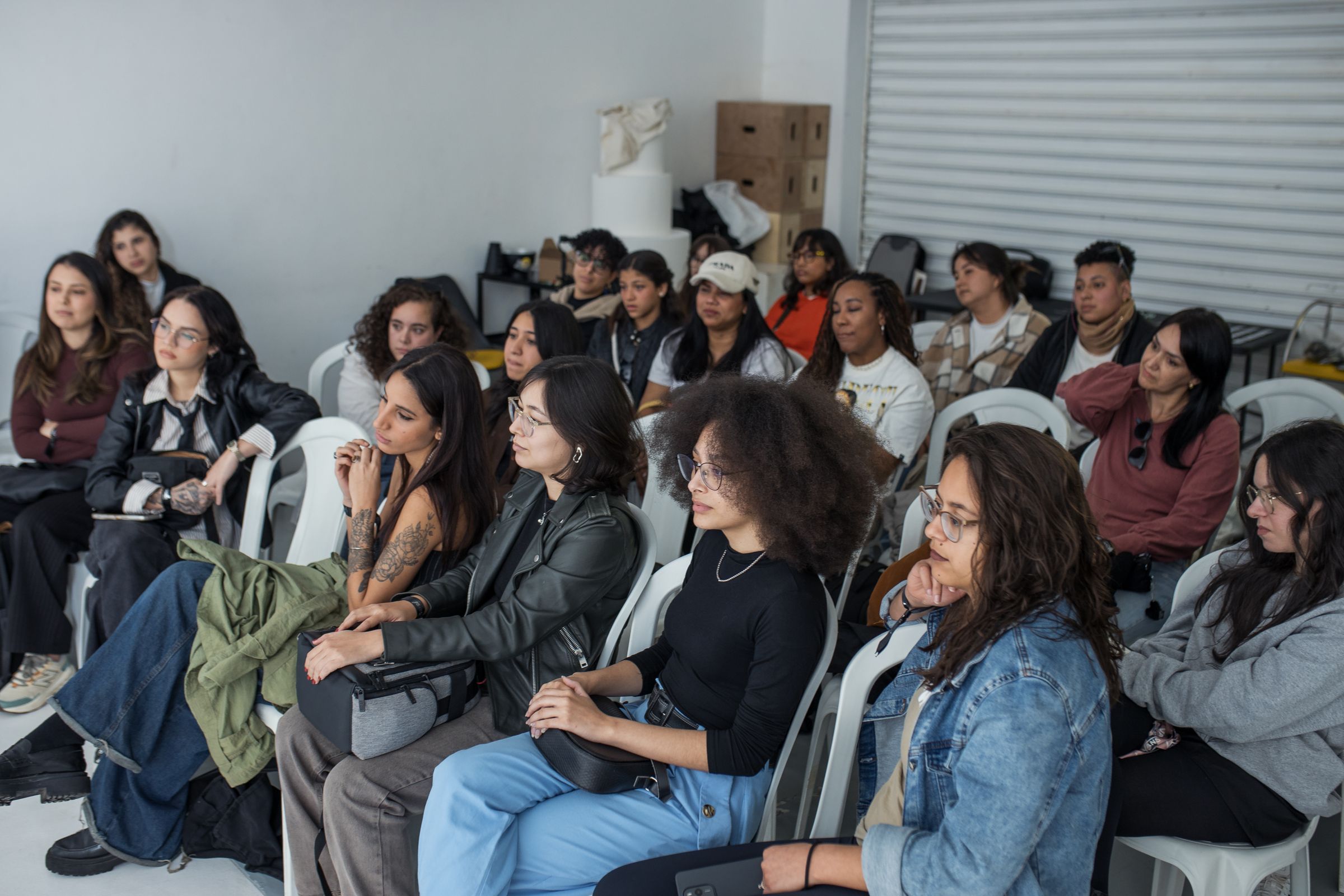
The Language Diversity Conference 2026, held in Accra, Ghana, raised questions that extend well beyond cultural celebration: who decides how languages are documented online, and how communities retain control over that process. The gathering, organized by Wikitongues, Wikimedia UK, the Wikimedia Language Diversity Hub and the Dagbani Wikimedians User Group, brought together more than 100 language activists, Wikimedians, researchers and heritage workers representing 82 languages across three days of sessions.
For participants from Madagascar, the conference carried institutional weight as well as personal meaning. The Malagasy language, though spoken by the majority of people in Madagascar, remains underrepresented in digital spaces. Its advocates argue that wide spoken use alone does not guarantee a language’s place in the digital age. If knowledge, educational resources, cultural content and useful information are not available in Malagasy online, a gap opens between the language people speak and the language they use to access knowledge and technology. That argument framed the case for digital revitalization presented at the conference in a talk titled “Bridging Communities: Global Voices and Wikimedia Madagascar Collaboration for Malagasy Digital Revitalization,” which stressed collaboration as the mechanism for making a language visible and active online.
Additional reference context is available at https://diff.wikimedia.org/2026/10/11/from-madagascar-to-accra-reflections-from-the-language-diversity-conference-2026/.
The program itself reflected deliberate choices by the organizers. The conference opened with a Jara dance performed by the Nbangba Cultural Troupe from Ghana, a decision that placed culture and identity at the center of the event before any keynote or panel began. It closed with poetry, a form the organizers used to underscore that behind every dataset, digital resource, Wikimedia project or technology stand real people and communities whose languages carry their stories and identities. A further organizational choice drew attention: the inclusion of sign language throughout the event, which participants cited as evidence that language diversity is not limited to spoken and written forms, and that a genuinely inclusive digital environment must recognize different forms of communication.
The sessions covered a broad institutional agenda: language revitalization, digital documentation, artificial intelligence, accessibility, Indigenous knowledge and technology. Across these topics, communities from very different parts of the world converged on a common set of governance questions. How can opportunities be created for women and underrepresented voices to take part? How should oral traditions be documented and shared while respecting community ownership and consent? How can digital tools, AI and online platforms be made to work better for languages with limited digital resources? And how can communities themselves remain at the heart of decisions about how their languages are documented, represented and shared online? Participants also asked how younger generations can be involved and how languages can stay relevant to them.
Those questions speak directly to accountability in the digital language movement. The consent and community-ownership concerns raised in Accra imply that the organizations and volunteers who build online language resources hold responsibilities toward the communities whose knowledge they document, not merely technical tasks. The repeated emphasis on keeping communities central to decision-making suggests a movement actively negotiating where authority should sit as artificial intelligence and digital platforms expand their role in language work.
Meanwhile, in reflections published after the conference, the author also describes plans to carry the Accra lessons back to Madagascar. Those plans focus on three areas: involving younger generations so that Malagasy stays relevant to them, documenting oral traditions, and exploring how AI and digital tools can better serve languages with limited online resources. The author intends to share what was learned with Wikimedians, language activists and the wider Malagasy community in the coming months, and reports that connections made at the conference have opened possibilities for future collaboration and new ideas for increasing the visibility of Malagasy online.
The organizers received explicit credit for the quality of the event, from engaging sessions and workshops to logistics and coordination, in an environment that allowed participants to focus on learning, sharing experiences and building connections. Bringing together people working on 82 different languages was described as no small achievement, and one that created a space where diverse languages, cultures and perspectives could meet. What the conference ultimately demonstrated, in the view of those who attended, is that the future of language diversity online depends not only on tools and platforms, but on the rules, consent practices and community-centered decision-making that govern how those tools are used. Whether those governance principles take hold across the wider digital language movement remains the open question left hanging after Accra.
Q&A
Who organized the Language Diversity Conference 2026?
Wikitongues, Wikimedia UK, the Wikimedia Language Diversity Hub and the Dagbani Wikimedians User Group.
What governance questions did the conference raise?
Who decides how languages are documented online, how oral traditions are shared with community ownership and consent, how women and underrepresented voices can participate, and how communities stay central to decisions about their languages.
Why was Malagasy a focus at the event?
Malagasy is spoken by most people in Madagascar but remains underrepresented online, so advocates argued for digital revitalization through collaboration to make knowledge and resources available in the language.
What plans came out of the conference for Madagascar?
Involving younger generations so Malagasy stays relevant, documenting oral traditions, and exploring how AI and digital tools can serve languages with limited online resources, with findings to be shared with Wikimedians and the wider Malagasy community.