Starship booster loss dents SpaceX's reuse economics
Failed Super Heavy catch exposes the cost of proving full rocket reusability
SpaceX’s economic case for Starship rests on reusability, and on Friday that case took a hit. The company diverted the lower stage of its Starship vehicle to the ocean, where it burst into flames on descent, scrapping its first attempt to recover the same rocket twice in one flight. Every missed recovery pushes the goal of slashing launch costs further out.
The 124m-tall rocket lifted off from the Starbase launchpad in Boca Chica, Texas at 16:45 local time (22:45 GMT). The plan called for the Super Heavy booster to be caught six and a half minutes later by the mechanical arms on the launch tower, nicknamed chopsticks. Instead, the booster was steered to the ocean. “Safety is always the number one priority, and we’re still testing out things that we haven’t done before on these vehicles, and so we are prioritising making sure that we can perform each maneuver safely,” a SpaceX spokesperson said during the launch stream.
Additional reference context is available at https://www.bbc.co.uk/news/articles/ckregdgnl0xpo.
There is still value in orbit for investors watching closely. The upper stage, called the Ship, is continuing its journey to space, deploying 26 satellites that will join the Starlink constellation providing high-speed internet from orbit. The Ship is due to complete 14 orbits before returning to the launch tower 22.5 hours after liftoff, at about 15:15 local time (21:15 GMT) on Saturday, when SpaceX will decide whether to attempt a second catch. Before the flight, the company said it would only commit to that maneuver after carefully assessing the vehicle in space, and there are various points during the flight when the stage can be brought down over the ocean if problems are detected.
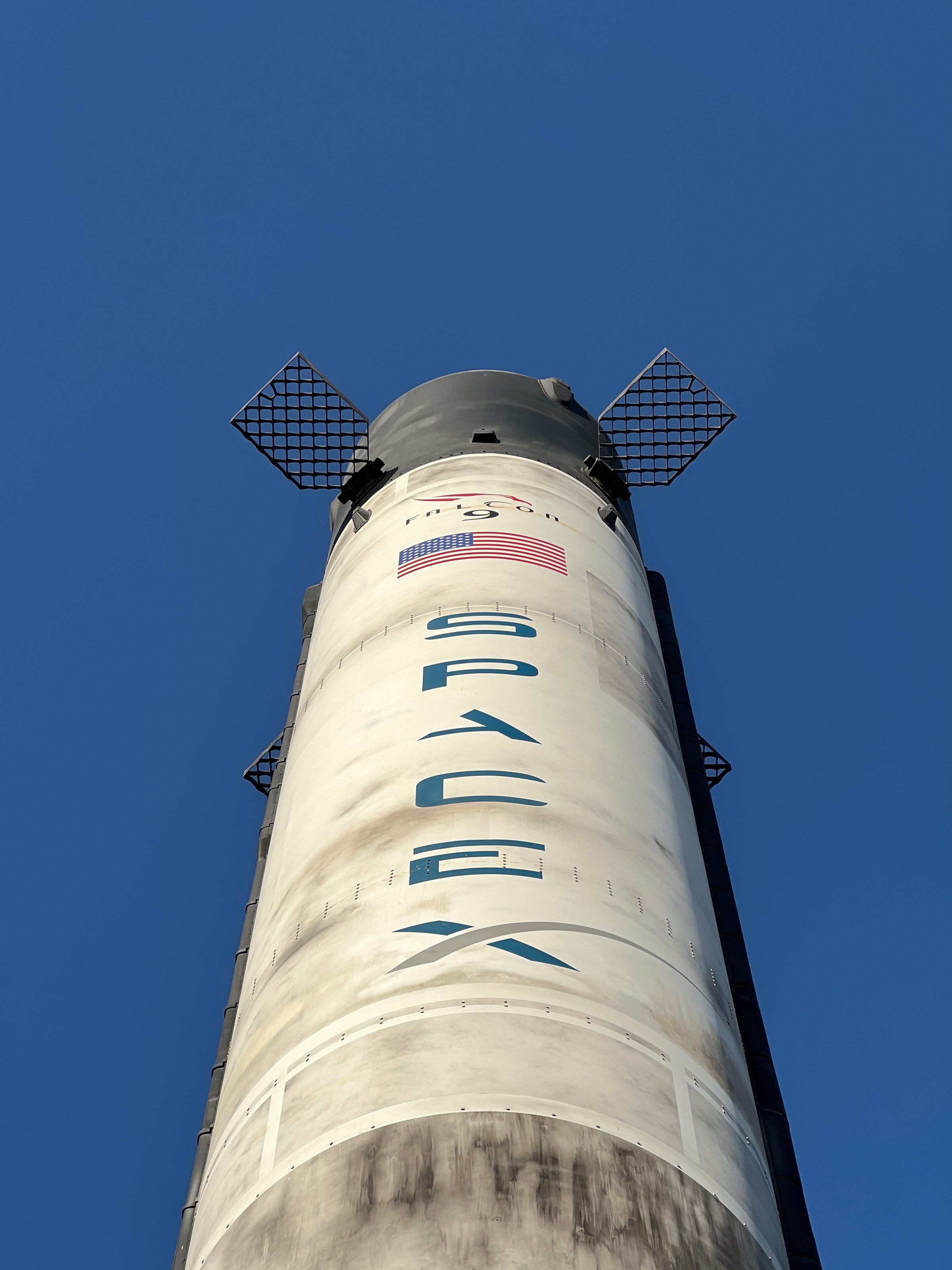
The commercial logic behind these attempts is straightforward. SpaceX has caught the Super Heavy booster on three earlier test flights, and the upper stage reached orbit for the first time in September, but it has never been grabbed by the chopsticks, having previously splashed down in the ocean. Reusability is already proven economics at the booster level. Falcon 9 rockets, which SpaceX first landed vertically in 2015, now fly more than 100 times a year, and reusing the bottom stage has dramatically cut launch costs.
Landing an entire Starship could take that further. “Full reusability has the potential to fundamentally change the economics of accessing space,” said Prof Malcolm Macdonald, president of the Royal Aeronautical Society. One successful flight will not prove the model, he noted, but it could mark a transition from demonstrating that Starship can fly to demonstrating how it could operate.
The financial stakes are now public. After SpaceX went public earlier this year, its shareholders will be monitoring the flight closely, as will Nasa, whose Moon ambitions depend on the vehicle. SpaceX holds a Nasa contract to configure the Ship into a lander that will eventually carry astronauts to the lunar surface, with the agency targeting a human landing in 2028, a highly ambitious timeline. Blue Origin, owned by rival billionaire Jeff Bezos, also holds a contract to use its New Glenn rocket and lander for the touchdown, and both companies are central to Artemis III, planned for summer 2027, in which four astronauts in Nasa’s Orion spacecraft will attempt to dock with both landers.
Competition cuts both ways. Starship’s development pace has been far slower than SpaceX intended, but Blue Origin has its own troubles: its rocket exploded earlier this year, destroying its launchpad in Florida, and a return to flight has slipped to early 2027 despite earlier promises of action by the end of this year. Nasa administrator Jared Isaacman has framed the stakes as a race with China, which plans to land its Taikonauts on the Moon by 2030.
For now, the focus returns to Saturday, when SpaceX must weigh the risk of another fiery splashdown against the reward of proving full reusability.
Q&A
What went wrong during the latest Starship flight?
The Super Heavy booster was diverted to the ocean instead of being caught by the launch tower's mechanical arms, and it burst into flames on descent, scrapping SpaceX's first attempt to recover the same rocket twice in one flight.
Why is reusability so important to SpaceX's business model?
Reusability underpins the economics of Starship and of Falcon 9, whose reused bottom stage has dramatically cut launch costs and now flies more than 100 times a year. Full reusability could fundamentally change the economics of accessing space.
What is still at stake for investors and Nasa?
Since SpaceX went public earlier this year, shareholders are monitoring the flight closely, and Nasa's Moon ambitions depend on Starship under a contract to turn the Ship into a lunar lander for a 2028 human landing.
How does Blue Origin factor into the competitive picture?
Blue Origin, owned by Jeff Bezos, holds a Nasa contract to use its New Glenn rocket and lander for Artemis III in summer 2027, but its rocket exploded earlier this year, destroying its Florida launchpad, and its return to flight has slipped to early 2027.