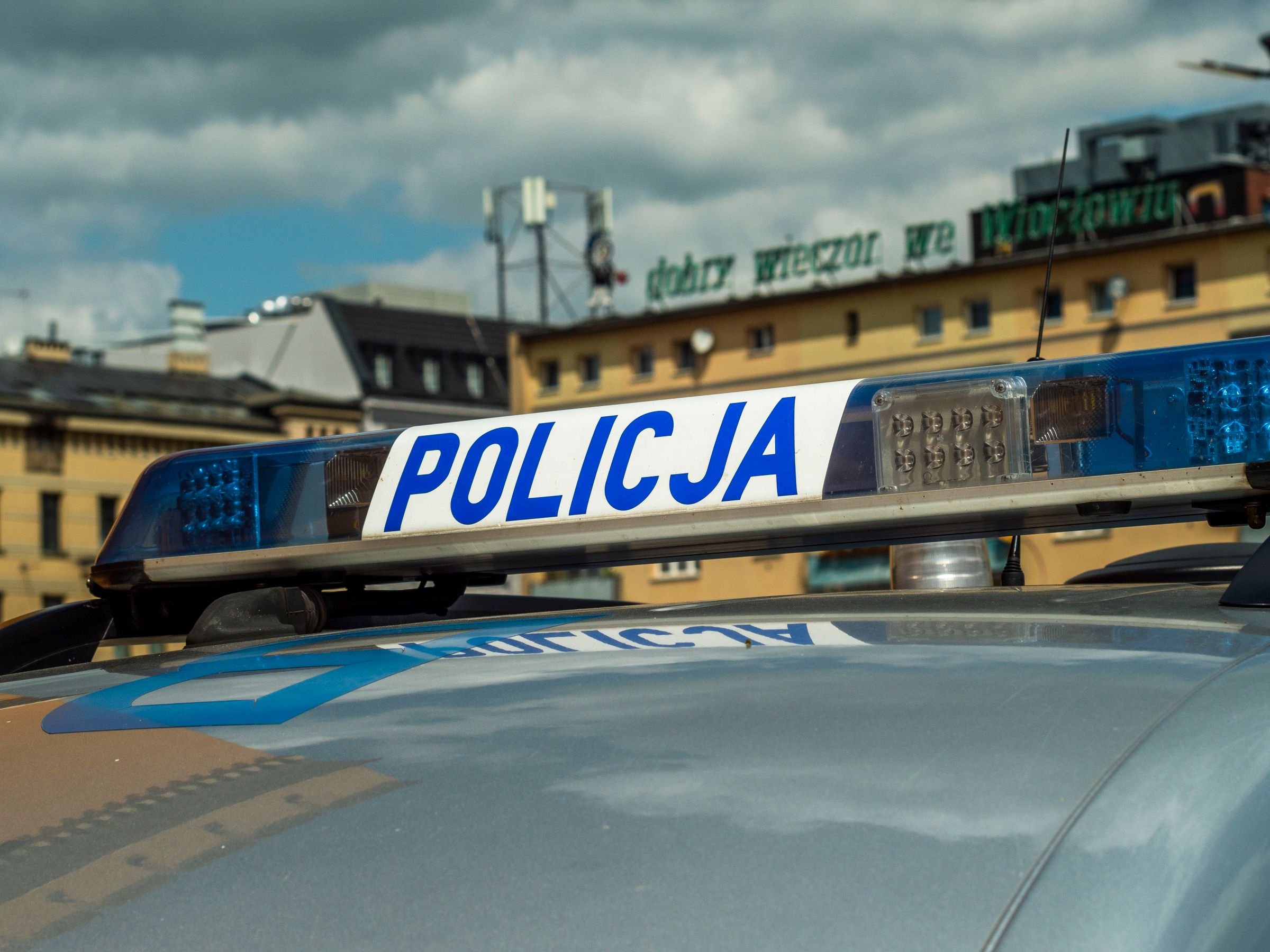
Krakow gunman dies in hospital as accountability probe opens
Krakow attack inquiry turns to gunman's firearms permit and state oversight
Polish police confirmed on Monday that the suspected gunman behind Saturday’s fatal shooting in Krakow died in hospital in the early hours of the morning, closing one chapter of an investigation that now turns squarely on oversight, accountability and how a 24-year-old man came to carry out what the country’s Prime Minister has described as an act of terrorism.
The suspect, identified by police only as a 24-year-old Polish man whose name has not been officially confirmed, was wounded during an exchange of fire with armed officers in the city’s Main Market Square. Officials said he was shot within three minutes of the attack beginning, a response they credited with preventing a further massacre. The shooting started shortly before 15:00 local time (14:00 GMT) on Saturday in central Krakow, Poland’s second largest city.
Additional reference context is available at https://www.bbc.co.uk/news/articles/c6y434dw8319o.
Six people died in the square itself: four women and two men. Four of the victims were Polish; a British national and an Austrian woman were also killed. The scope of the official response widened when Prime Minister Donald Tusk said three further bodies, two women and one man, were found at the gunman’s house when it was searched after the attack. Polish police confirmed on Sunday that these victims had been identified as the alleged gunman’s 53-year-old father, 52-year-old mother and 21-year-old sister.
How the suspect obtained his weapons is now central to the accountability debate. Polish media has reported that he held a firearms permit and may have obtained the weapons from his family home, raising direct questions for the licensing authorities about how the permit was issued and monitored.
A minister said in the hours after the shooting that early investigations indicate the attacker was inspired by “far-right ideologies”, and described him as an “ultra-nationalist” without giving further details. That characterisation places the inquiry within Poland’s broader framework for addressing ideologically motivated violence. Tusk, speaking after travelling to Krakow, was categorical about how the state intends to frame the event. “Until now in Poland we haven’t had such drastic cases of terrorism…that’s what we have to call this cruel attack on people’s lives here in Krakow,” he said.
The institutional response has been swift. Poland declared two days of national mourning, and the interior ministry took charge of coordinating information about the casualties. Sixteen people were taken to hospital, including five foreigners, two police officers and the attacker himself; the ministry later said the foreign nationals were from Austria, Britain, Germany, Portugal and Russia. By Sunday, it was reported that both injured officers had emerged from comas.
Meanwhile, the emergency response has drawn public attention to the conduct of those on the scene. One of two surgeons who treated victims in the street said his colleague “undoubtedly” saved the life of a gravely injured police officer. The two surgeons, Professor Michal Pędziwiatr and a colleague named by local media as Dr Mateusz Wierdak, had been eating near the Main Market Square when the gunman opened fire and rushed to treat both the attacker and the two injured officers. “We saw the shooting attack. And what a surgeon can do in a situation like this?… We decided to help the victims as soon as possible,” Pędziwiatr told the BBC. He said his colleague used his hand to stem the bleeding from the most severely injured policeman, buying time for an ambulance to arrive, and noted that no ambulances or professionals were available when they began their rescue.
International reaction has been led at head-of-government level. UK Prime Minister Andy Burnham said he was “shocked and saddened by the appalling shooting in Kraków”, adding: “My thoughts are with the families of those who have lost their lives, everyone injured and all those affected by this senseless violence. The United Kingdom stands in solidarity with the people of Poland.”
Main Market Square reopened on Sunday evening after the security cordon was lifted. The questions facing Poland’s institutions remain open: how the firearms permit was granted, what the investigation into the suspect’s far-right inspiration will establish, and who within the state apparatus will be answerable for any failures that preceded the attack.
Q&A
Who is leading the institutional response to the Krakow attack?
Poland's interior ministry took charge of coordinating information about the casualties, while Prime Minister Donald Tusk travelled to Krakow and framed the attack as terrorism. Poland also declared two days of national mourning.
What accountability questions has the attack raised?
Central questions concern how the suspect obtained his weapons. Polish media reported he held a firearms permit and may have obtained the weapons from his family home, raising direct questions for licensing authorities about how the permit was issued and monitored.
How have officials characterised the suspect's motivation?
A minister said early investigations indicate the attacker was inspired by far-right ideologies and described him as an ultra-nationalist, placing the inquiry within Poland's framework for addressing ideologically motivated violence.
What was the outcome for the suspect and the injured?
The suspect died in hospital in the early hours of Monday after being wounded in an exchange of fire with armed officers, who shot him within three minutes of the attack beginning. Sixteen people were taken to hospital, including two police officers, both of whom had emerged from comas by Sunday.