Zadie Smith: Inequality Priced Britain's Cultural Rifts
Novelist ties cultural conflict to collapsing welfare and public services
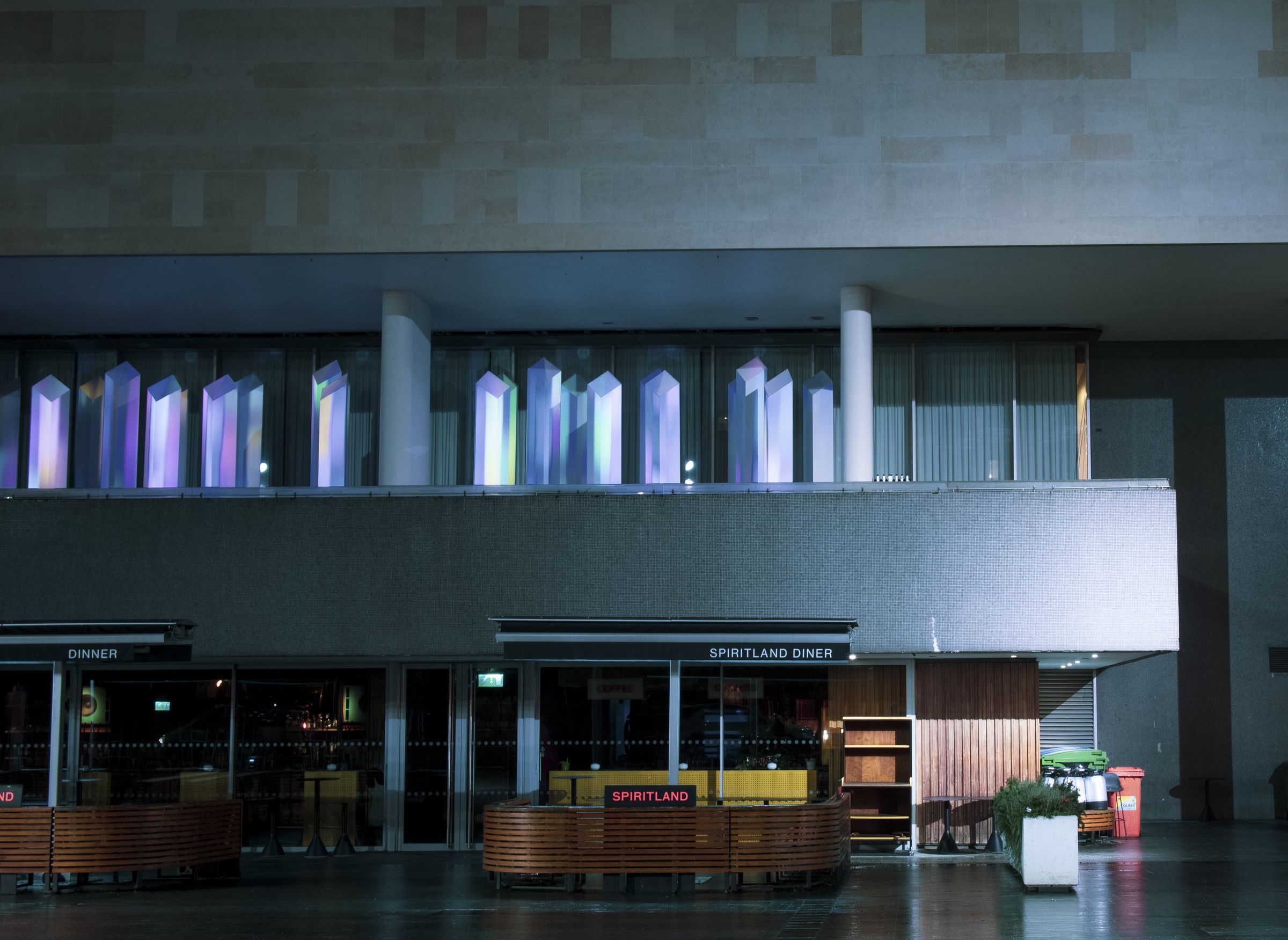
Zadie Smith has put a price on Britain’s cultural divisions. Speaking to Dua Lipa at the Southbank Centre’s London literature festival, the novelist argued that rising inequality and unemployment, not culture itself, have turned everyday differences between communities into something “existential”. The interview placed the collapse of Britain’s “incredible, historic” welfare system, and the erosion of the public services built on it, at the centre of the country’s social and political fraying.
The conversation formed part of a festival programme curated by Lipa, and ranged across Smith’s career and the economics of everyday life. Asked by Lipa how attitudes towards multiculturalism have shifted since the 1980s and 1990s, and about the current “dividing line” on immigration in UK politics, Smith pointed to material conditions rather than identity.
“When you’re living in basically decent housing, when you hurt yourself you know you can go to hospital and be treated just like the rich kid down the road, then the differences [with others] become interesting, sometimes annoying, but not existential,” she said. “Now, they’re existential. When you can’t get a job, when there’s no housing, when your schools are falling apart, when the hospitals are falling apart, now it feels existential.”
That structural reading ran through the rest of the interview. Smith, whose debut novel White Teeth was published in 2000 and is primarily set in the last three decades of the 20th century, traced the book’s three families, the Joneses, the Iqbals and the Chalfens, through Kilburn and Willesden in north-west London, where she grew up. She credited her state education with standing her “in incredibly good stead” throughout her life. “I can talk to anyone. The posh kids up the hill? Not so much,” she said.
The economic deterioration of that same neighbourhood, she argued, has changed how neighbours regard one another. “Now, when you look at my neighbourhood, the same schools, the same situations, everything is harder, everybody is poorer, everybody is struggling more,” she continued. “It becomes very, very natural to look to your left and think ‘who the fuck are you?’ That is an economic and structural question.”
Smith’s remedy was a selective look backwards, which she described as developing “a nostalgia for the left”. While she made clear that “you don’t want the LGBTQ+ politics of the 80s, you don’t want the racial prejudice” depicted in White Teeth, she asked: “do you want the healthcare and the schools and the education? I think you do.” What she valued, she said, was “a social democracy that basically functioned, and might function again if people cared about it, wanted it, believed it could happen again.”
The interview also revisited the making of White Teeth, which Smith began at 21 and published at 24. She finished the acclaimed novel after being broken up with and moving back in with her mother, working while “everybody else was out clubbing”. With Valentine’s Day approaching and her friends urging her to go out, she completed the manuscript on 14 February and then “literally ran straight out to the club”. The ending of the novel is “a chaos”, she said, which is “why young people shouldn’t write novels”.
Since that debut, Smith has published five further novels, The Autograph Man, On Beauty, NW, Swing Time and The Fraud, alongside short stories and nonfiction. Her most recent book is the essay collection Dead and Alive.
Meanwhile, the two speakers compared notes on the commercial and reputational pressures of creative work. Lipa said that “learning to live with reviews, bad reviews, good reviews” was “one of the hardest things for me to learn to deal with”. Smith, whose own market standing has been shaped by more than two decades of critical attention, called literary criticism “absolutely essential” because it “helps develop taste”. “Even if it’s a bad review of me, if it’s well written, if it’s intelligent … I quite love ‘takedowns’,” she added.
Lipa, who runs a book club, Service95, through which she interviews authors monthly, selected the festival’s speakers, a lineup that includes Patti Smith, Malorie Blackman and Hisham Matar. The London literature festival runs until 1 November. Coverage of the conversation appeared in The Guardian, at https://www.theguardian.com/books/2026/oct/25/zadie-smith-tells-dua-lipa-inequality-has-made-culture-clashes-feel-existential, where Smith’s argument that cultural conflict is ultimately an economic and structural question was given full airing. Whether the welfare settlement she remembers can be rebuilt, and who would fund it, remains the open question behind her diagnosis.
Q&A
What did Zadie Smith say causes Britain's cultural divisions?
She argued that rising inequality and unemployment, not culture itself, have turned everyday differences between communities into something existential, pointing to material conditions rather than identity.
Where and with whom did the interview take place?
Smith spoke to Dua Lipa at the Southbank Centre's London literature festival, as part of a programme curated by Lipa, which runs until 1 November.
What remedy did Smith propose?
She described developing a nostalgia for the left, saying she would not want the LGBTQ+ politics of the 80s or the racial prejudice depicted in White Teeth, but would want the healthcare, schools, and education of a social democracy that basically functioned and might function again if people cared about it and believed it could happen.
What did the speakers say about criticism of creative work?
Lipa said learning to live with reviews, bad and good, was one of the hardest things for her to deal with, while Smith called literary criticism absolutely essential because it helps develop taste, adding that she quite loves well-written, intelligent takedowns even of her own work.