Madagascar's APL builds spice supply chain from farm to export
A vertically integrated operation keeps processing on the island, from fields to finished product
On a plantation in Brickaville, the work of building a complete spice supply chain is visible at every stage: cultivation, on-site transformation, and distribution to professional buyers abroad. APL Vanilla & Spices, led by Gianna Palmaro, has spent nearly a decade putting that chain in place. The operational result is what distinguishes the company in Madagascar’s spice sector. Rather than exporting raw material and letting value be added elsewhere, the firm has constructed a vertically integrated operation that keeps processing on the island, from the fields to the finished product.
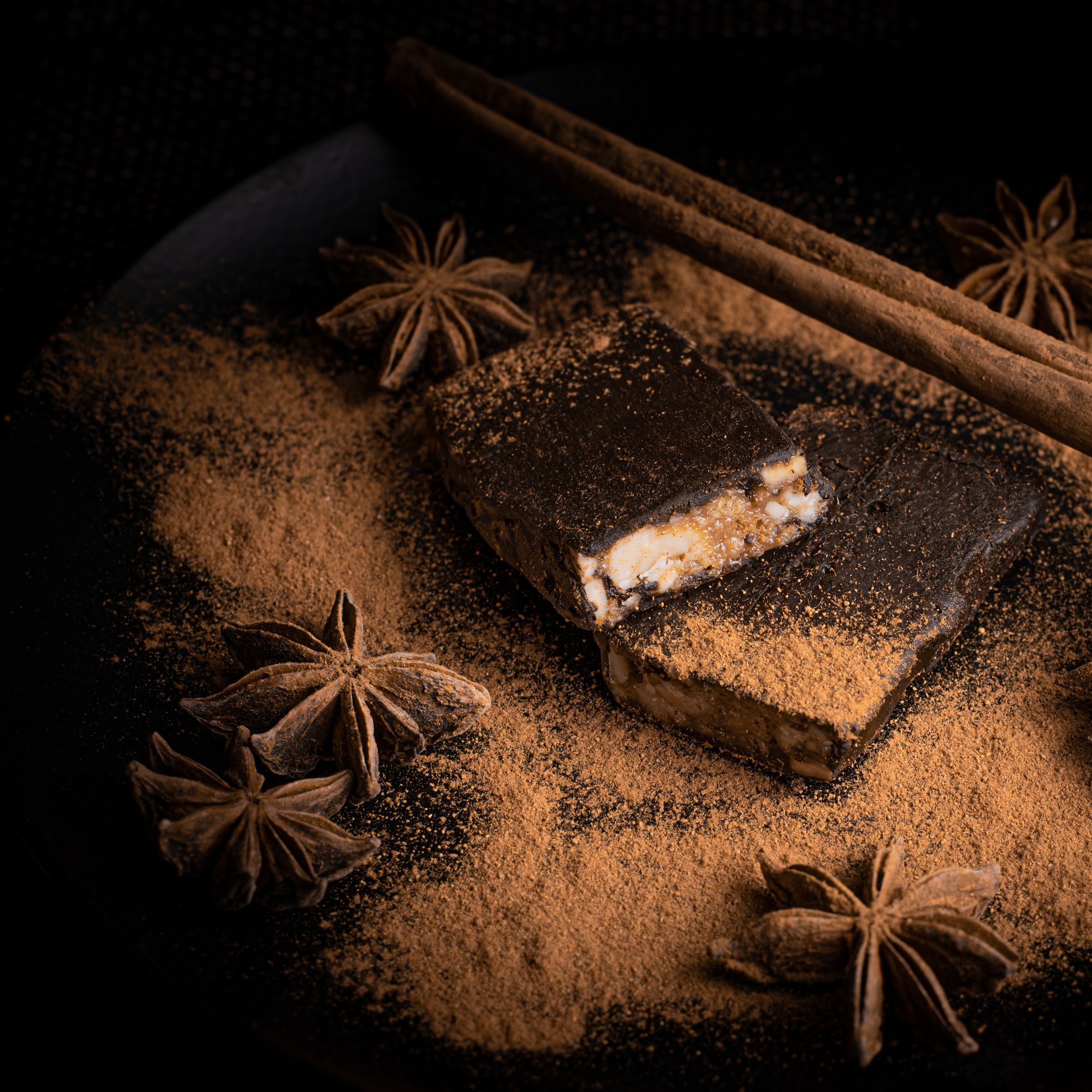
The scale of the operation shows what “integrated” means in practice. The company cultivates close to 275 hectares, growing vanilla, cinnamon, pepper, cloves and many other spices. Essential oils, dried fruits and even chocolate are transformed directly on site. Behind this production capacity stands a workforce of 250 to 300 employees, a collective Palmaro has built up over the years and one that reflects the local employment generated by keeping transformation close to the source.
Additional reference context is available at https://www.lefigaro.fr/economie/apl-vanilla-spices-a-madagascar-une-filiere-maitrisee-de-la-terre-au-produit-fini-20261019.
Her path to this model was not the obvious one. Coming from a family of traders, she chose a different route: investing herself in planting and production rather than simply buying and reselling. The choice shaped the company’s operating philosophy. “We wanted to show that Madagascar is not limited to vanilla or cloves. The country possesses an exceptional richness that we wish to make known while creating more value on site,” she explains. That statement captures the delivery challenge she set for the business: prove that Malagache transformation can meet the standards the international market demands.
Meeting those standards is, in operational terms, the core of the company’s work. Professional buyers judge suppliers on quality, regularity, traceability and food safety, and APL Vanilla & Spices has built its local production around those four requirements. The wider context makes this positioning significant. Too often, raw material still leaves the island before the main stages of valorisation. By contrast, the company defends a model in which the value-adding steps happen in Madagascar, close to the plantations, under conditions that satisfy international expectations.
Distribution is the final link in the chain, and here too the company has organised its own channels. A network of European partners carries the production to international markets. Alongside this professional-facing distribution, APL Vanilla & Spices has developed its own consumer brand, Spice Collection, which runs an online boutique. Customers can order products directly from the Malagache plantations, and the brand maintains complete traceability from origin to purchase, extending the transparency of the production model all the way to the final buyer.
The company has also opened its production sites to the people who use its products. Visitors are regularly welcomed at its ecovillage and ecolodge: tourists, groups, chefs and chocolatiers come to see the plantations and observe the traditional gestures that give rise to the finished products. These visits and experiences around the plantations, the spices and the local know-how are designed to make the upstream work legible, showing the steps that precede the arrival of a product in a kitchen, a laboratory or a boutique. The aim is to create a direct link between producers and the users of these products, before tasting or commercialisation.
Taken together, the elements form a coherent delivery story. Nearly ten years of work have produced a plantation base of 275 hectares, on-site transformation across several product lines, a workforce of 250 to 300 people, distribution through European partners, a direct-to-consumer brand with full traceability, and visitor infrastructure that connects the operation to its end users. For a sector in which raw material has too often left the island before transformation, APL Vanilla & Spices presents a working alternative: a chain that begins and, in large part, ends in Madagascar. Whether that model can be replicated across the wider sector remains the open question.
Q&A
What has APL Vanilla & Spices built over nearly ten years of operation?
Nearly a decade of work has produced a plantation base of close to 275 hectares, on-site transformation across several product lines, a workforce of 250 to 300 people, distribution through European partners, a direct-to-consumer brand with full traceability, and visitor infrastructure connecting the operation to its end users.
Which products does the company cultivate and transform on site?
The company cultivates vanilla, cinnamon, pepper, cloves and many other spices, and transforms essential oils, dried fruits and even chocolate directly on site.
What standards must the operation meet for professional buyers?
Professional buyers judge suppliers on quality, regularity, traceability and food safety, and APL Vanilla & Spices has built its local production around those four requirements to satisfy international expectations.
How does the company distribute its products?
A network of European partners carries production to international markets, while the consumer brand Spice Collection runs an online boutique where customers order directly from the Malagache plantations with complete traceability from origin to purchase.