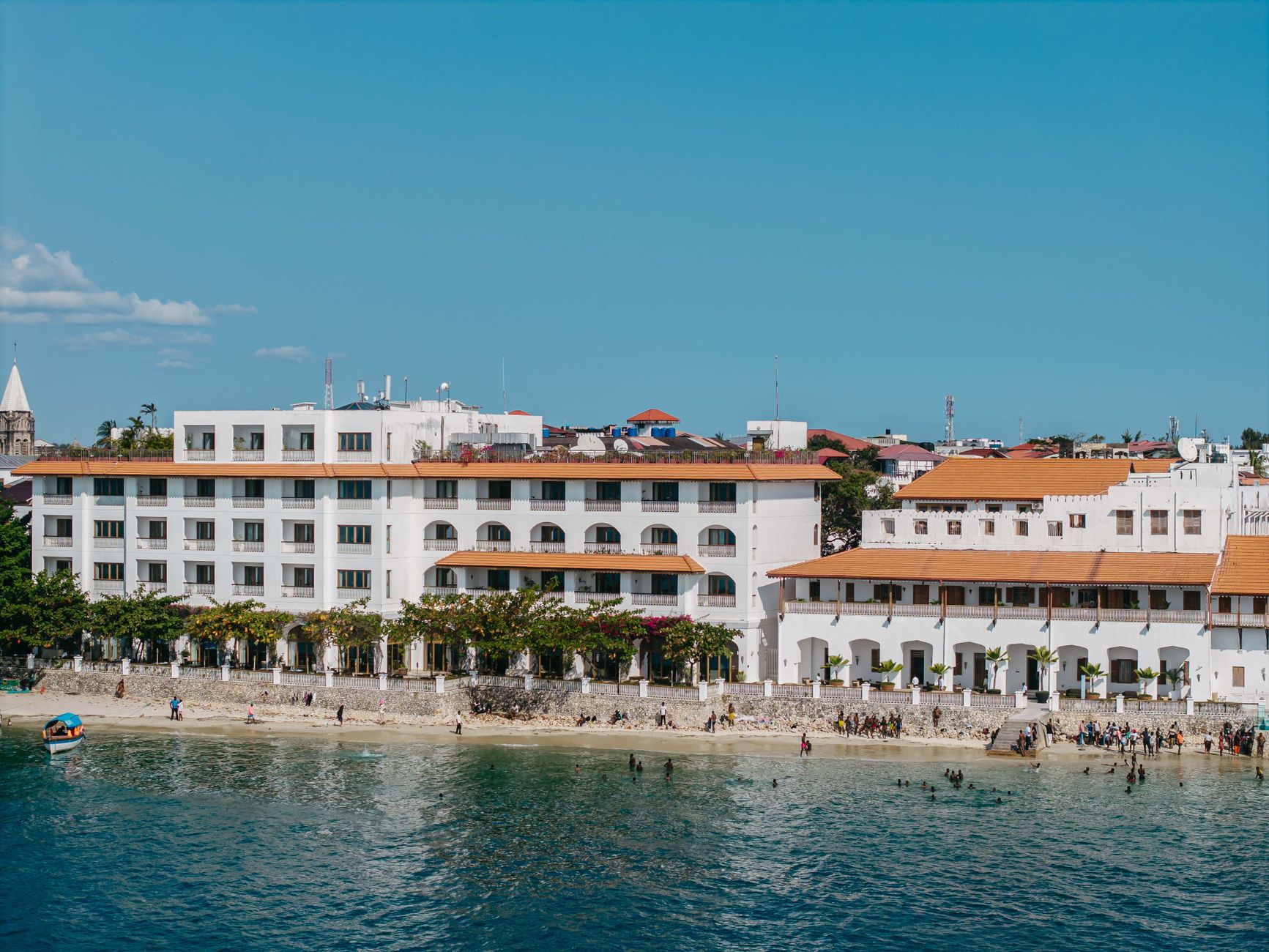
Trou-aux-Biches, on the northwest coast of Mauritius, draws its name from an old freshwater spring where deer once gathered to drink. Today the site raises a different question, one that matters well beyond a single hotel’s guest list: what do travelers, and by extension the communities that host them, actually gain when a coastline is shaped by calm and access to nature rather than by scale and mass tourism?
The Sakoa Boutik Hotel, with just 16 rooms, sits at the center of that question. Its appeal rests on intimacy rather than size, in a destination more commonly associated with sprawling resort complexes.
Additional reference context is available at https://madame.lefigaro.fr/evasion/a-l-ile-maurice-voyage-de-charme-dans-un-refuge-immerge-dans-la-nature-et-loin-des-grands-resorts-20260929.
Arrival tells the story before anything else does. Turquoise lagoon waters, edged by fine sand, give way to a tropical garden thick with veloutiers (shrubs with velvet-soft leaves and small white flowers), filaos and coconut trees offering shade. Within that greenery sit small traditional buildings with thatched roofs, home to the property’s 16 suites, two of them Deluxe. Interiors carry the same restraint: light colors, sculpted teak furniture, woven raphia wall decorations, panoramic wallpapers with plant motifs. The design does not compete with the ocean view. It amplifies it.
Guests can take their terrace at dawn to the sound of tisserins gendarmes, birds that have nested at the hotel, weaving basket-shaped homes into the tips of coconut branches. That detail matters for anyone weighing what “wellbeing” on a trip actually looks like day to day, not just in a brochure.
The property has belonged to the Mauritian group Constance Hotels & Resorts since 2024. A restoration campaign followed the acquisition, overseen by hotel director Giovanna Blin. She remains struck by the sunset from the property’s beach. “Those who have had the chance to admire it here will never forget it!” she says. “That may explain why our guests now book year after year.” The renovation added refinement, guests and staff report, without tipping into ostentation, a balance that shapes how visitors experience the place daily.
Beyond the setting, services are built around rest and personal care rather than spectacle. The Constance Wellness spa offers treatments using phyto-aromatic products, locally sourced oils, marine ingredients and natural exfoliants such as Mauritian sea salt. The Trou-aux-Biches site also supports scuba diving, snorkeling, kayaking and pedal boating, activities tied directly to the coastal environment guests come to experience.
Meanwhile, the kitchen keeps the focus local. At the Oak Restaurant, a daily-changing menu centers on Mauritian specialties. The cari, perfumed with spices, ginger, garlic and turmeric, arrives with rice, achards and chutneys. A sommelier offers wines from established vineyards for those who want them. At the K bar, evenings open or close with a cocktail facing the ocean; the house ginger beer, non-alcoholic and spicy, is a local touch worth trying.
What emerges is less a luxury pitch than a case study in what small-scale hospitality can offer when it prioritizes calm over capacity. Comfort, wellbeing, tranquility: these are the property’s stated aims, and by most accounts they are largely met. Time, guests say, seems to slow down.
For readers weighing where rest and quality of life genuinely intersect, this stretch of Mauritian coast offers one answer, rooted in the idea that access to nature and quiet is itself a kind of shared wealth, not just a private amenity. A fuller portrait of the property and its surroundings is available at the source article. Whether more of the coastline follows this model, or reverts to scale, remains an open question for the region.