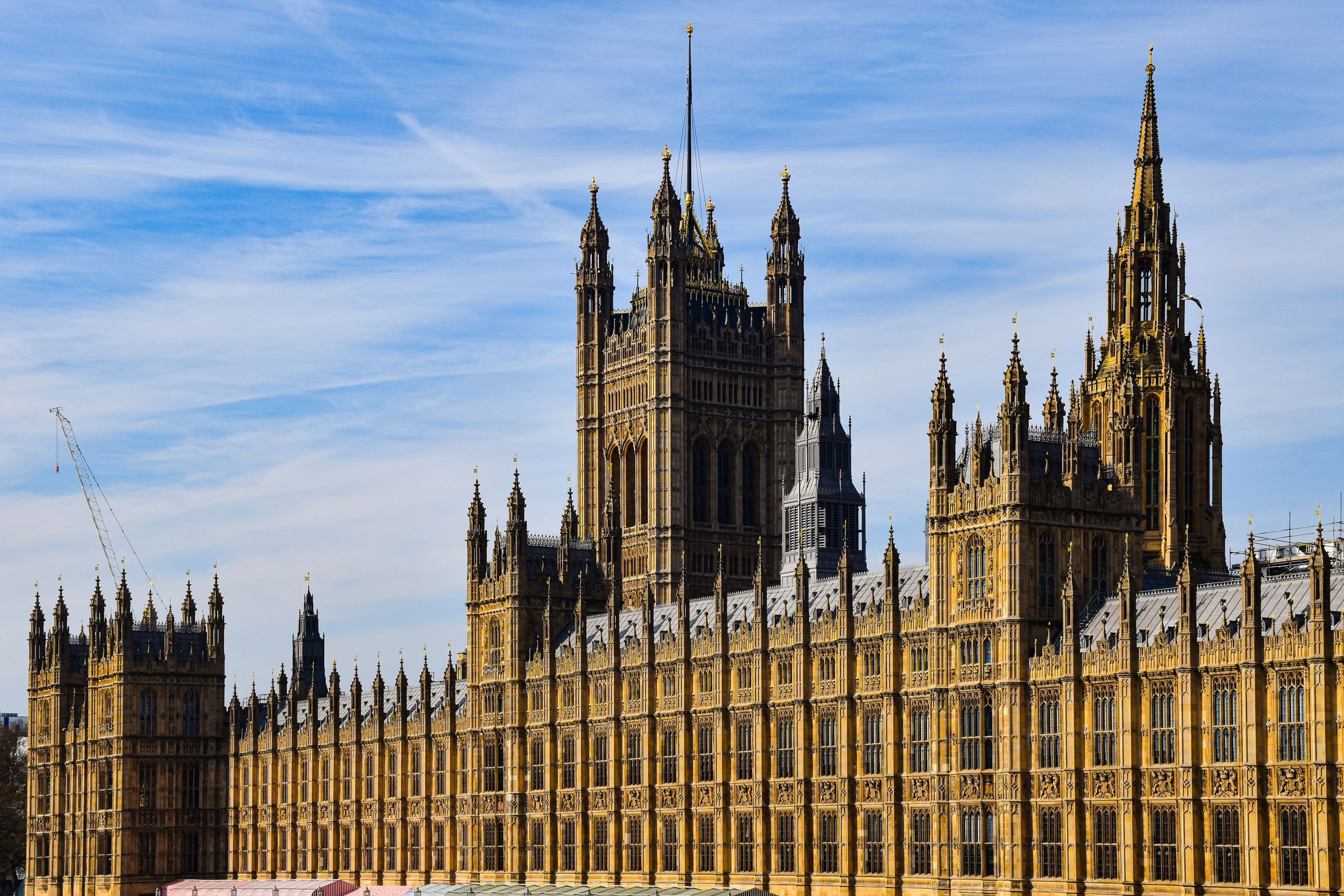
Westminster Talks Weigh Yearly Funding for Brain Cancer Research
Westminster meeting probes annual funding for underfunded rare tumour research
A Corby family’s push for annual research funding moved into government corridors on Wednesday, in a Westminster meeting that Jackie Hall described as productive on the question of yearly investment in brain cancer research.
Hall, whose 14-year-old son Max died in August after being diagnosed with an incurable brain tumour last year, met James Frith, the health minister for rare diseases, to press for two commitments: sustained annual funding for research, and targets ensuring rare tumours receive the same attention as other cancers. She said afterwards that the minister “made commitments” to take the family’s questions forward.
The meeting opens a potential channel for directing resources into a segment of cancer research the family argues is severely underfunded. Speaking to BBC Radio Northampton, Hall described a treatment landscape offering little beyond established standard care. “Currently there’s absolutely nothing out there for children that are diagnosed with a terminal brain tumour,” she said. “The options are standard care which is radiotherapy and chemotherapy and after that there isn’t anything, there are no trials, there’s nothing in this country, you have to go outside of the UK to access that.”
That gap, she argued, leaves families facing a market in which domestic options for experimental treatment simply do not exist, forcing patients to seek access beyond the UK. She said Frith had “promised he will take this forward” and would update the family in three months, a timeline that gives campaigners a concrete checkpoint on whether policy commitments translate into funded activity.
By contrast, the minister framed the government’s position around recent policy announcements with direct implications for research spending and trial access. In a statement, Frith said: “Our hearts go out to Max’s family and friends. Earlier this month, the Prime Minister and Health Secretary announced new action to accelerate progress on brain cancer, including a rapid expert review, a national action plan and a dedicated national clinical lead to drive change.”
He added: “We are determined to turn that renewed focus into faster progress on research, clinical trials and new treatments for people affected by this devastating disease.”
The package Frith referenced, announced earlier this month, sets the institutional architecture: a rapid expert review to assess the field, a national action plan setting direction, and a dedicated national clinical lead charged with driving change. The open question for campaigners and researchers alike is how that structure converts into sustained annual funding and a pipeline of clinical trials available in the UK, the two outcomes the Hall family specifically raised at the meeting.
The economics sit at the centre of the family’s case. Where no trials exist, there is no domestic pathway for patients to access new treatments, and the cost and burden of seeking care abroad falls on families navigating a terminal diagnosis. Targets designed to give rare tumours parity of attention with other cancers would, if implemented, redirect research investment toward a category that campaigners say has historically not attracted it.
Max’s death in August, less than a year after his diagnosis, has turned his family’s campaign into a sustained push on funding policy rather than individual treatment. The three-month update promised by the minister will be the first test of whether the Westminster commitments produce movement on research funding and trial availability.
For investors, research institutions and treatment providers watching the sector, the government’s stated determination to accelerate progress on research, clinical trials and new treatments signals potential new funding flows into brain cancer research. Whether the rapid review and national action plan deliver measurable increases in investment, and whether rare tumours gain the targeted attention the family is demanding, will determine the credibility of that pledge.
Q&A
What did the Hall family ask the government for at the Westminster meeting?
Two commitments: sustained annual funding for brain cancer research, and targets ensuring rare tumours receive the same attention as other cancers.
What did health minister James Frith promise?
He made commitments to take the family's questions forward and promised to update them in three months, citing recent announcements including a rapid expert review, a national action plan and a dedicated national clinical lead.
Why does the absence of UK trials matter economically for families?
With no domestic trials, there is no pathway to access new treatments in the UK, so the cost and burden of seeking experimental care abroad falls on families facing a terminal diagnosis.
What will determine whether the government's pledge is credible?
Whether the rapid review and national action plan deliver measurable increases in investment, sustained annual funding, and UK-available clinical trials, with the three-month update as the first test.