Consumer Spending Surges While Borrowing Costs Squeeze Household Budgets
Retail gains mask rising borrowing costs and housing affordability crisis
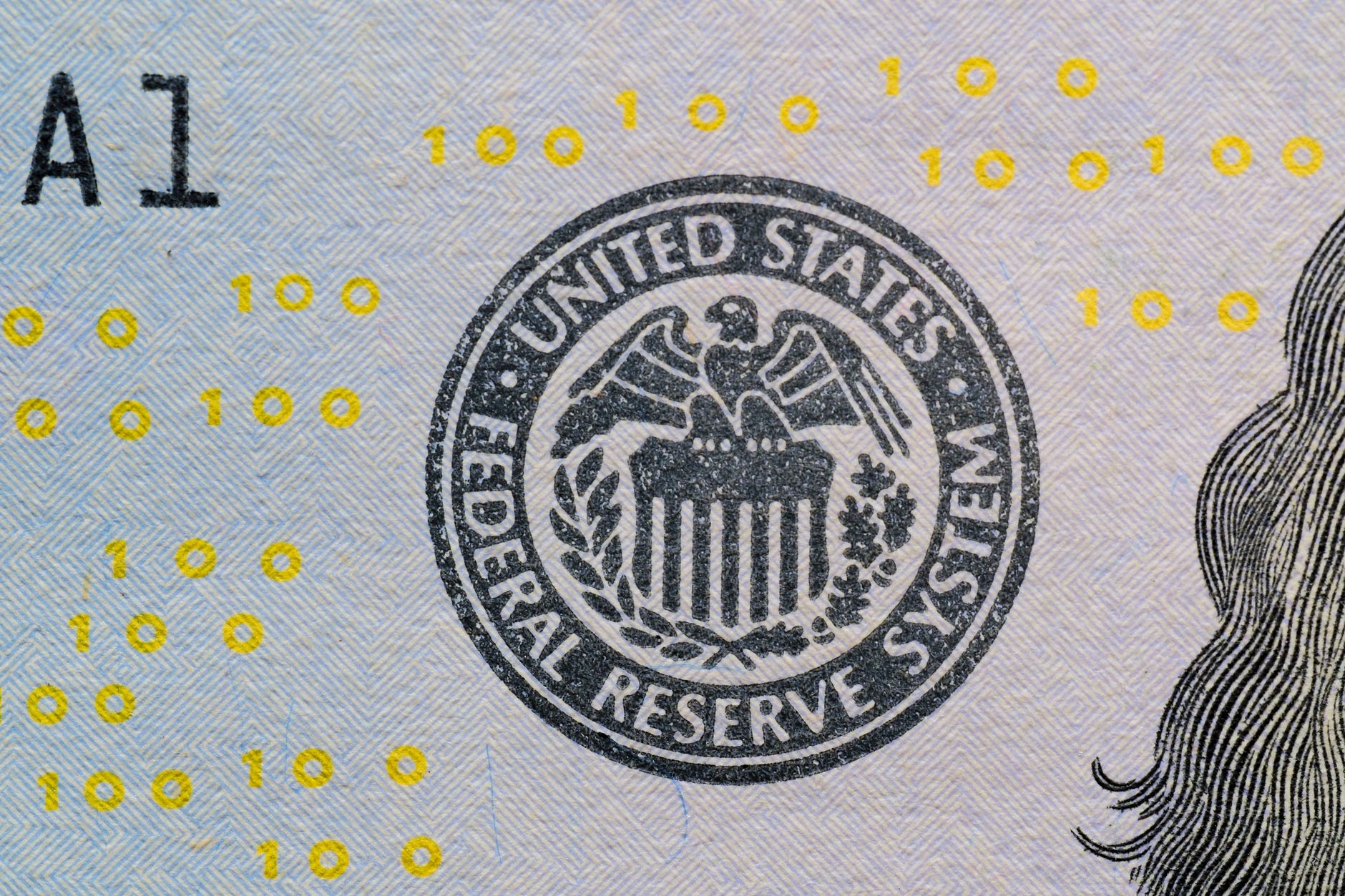
American households are navigating a contradictory economy: spending is up, but so are the costs of borrowing, importing, and finding an affordable home. A wave of economic data released Wednesday, arriving just ahead of the Federal Reserve’s monetary policy announcement, offered no clean verdict on where things stand.
Retail sales surged 1.2 percent in August, a sharp reversal from a 0.5 percent decline the previous month and well above the 0.8 percent gain economists had forecast. A 3.1 percent jump in gas prices at the pump and a 2.6 percent increase in non-store retail sales, which includes online shopping, drove much of that headline strength. Beneath those numbers, though, department stores fell 0.8 percent, signaling weakness in traditional retail. Restaurant spending climbed 1.2 percent, suggesting consumers continue to open their wallets despite months of inflation eroding their purchasing power.
The so-called core retail sales measure, which strips out automobiles, gasoline, building materials, and food services to track spending most closely tied to economic output, jumped 1.4 percent. That figure more than doubled the 0.4 percent consensus estimate. Jeffrey Roach, chief economist at LPL Financial, pointed to solid corporate earnings ahead as a result, and added: “We also expect the Fed to raise rates to address inflationary pressures coming from the demand side of the economy.”
Meanwhile, import costs tell a different story. The price of goods shipped into the United States climbed 0.7 percent last month, excluding tariffs, according to Labor Department data. That exceeded the 0.4 percent increase economists anticipated and reversed a 0.3 percent decline in July. Industrial supplies rose 1.2 percent and capital goods jumped 0.9 percent, while crude oil costs edged up just 0.1 percent nominally. Year-over-year, imported petroleum and industrial supplies have surged 27.3 percent and 17.5 percent respectively.
The source of price pressure has shifted. Oren Klachkin, a financial markets economist at Nationwide, noted that fuel costs are no longer the primary culprit. “It is non-fuel costs, notably higher costs tied to financing artificial intelligence development, that are pushing prices higher,” Klachkin explained. He expects the Fed to raise rates another 25 basis points before year’s end. American export prices climbed 0.6 percent over the same period, lifted by a 1.3 percent increase in industrial supplies. Over the past year, import prices have risen 7.0 percent while export prices have gained 8.6 percent.
The housing sector confronts a deepening crisis for ordinary buyers. The National Association of Home Builders’ confidence index fell 3 points to 32, landing two points below expectations and remaining stuck below the 50-point threshold that separates optimism from pessimism. That stretch now runs 29 months. Mortgage rates have become the central obstacle. The average rate on a 30-year fixed mortgage jumped 12 basis points to 6.97 percent last week, the highest level since December 2023 and a 58 basis point increase compared to the same week a year ago.
Bill Owens, president of the National Association of Home Builders, pointed to weakening buyer traffic across much of the country driven by higher mortgage rates. Builders simultaneously grapple with elevated material costs, rising fuel and diesel prices, and persistent labor shortages. Geopolitical uncertainty and renewed inflation concerns have compounded those challenges.
The numbers in the mortgage market reflect the squeeze. Mortgage demand fell 4.1 percent overall. Purchase loan applications declined just 0.8 percent, but refinancing requests plummeted 8.8 percent as fewer borrowers see value in locking in new loans. Refinancing now represents just 39.4 percent of the mortgage market. Year-over-year, mortgage purchase requests have fallen 10.2 percent while refinancing demand has dropped 60.7 percent, a collapse that illustrates how thoroughly higher rates have reshaped the calculus for homeowners.
Business inventories expanded 0.8 percent in July, according to Commerce Department data, far exceeding the 0.3 percent consensus and following a meager 0.1 percent increase in June. That inventory buildup subtracted 0.7 percentage points from second-quarter gross domestic product growth.
The Fed’s decision, expected imminently, will determine whether borrowing costs climb further, a question with direct consequences for anyone carrying a mortgage, a car loan, or a credit card balance. Whether the August spending surge reflects genuine consumer resilience or a last burst before tighter conditions bite remains the open question policymakers must now answer.
Q&A
How are rising mortgage rates affecting home buyers and the housing market?
Mortgage rates jumped to 6.97 percent, the highest since December 2023, causing the National Association of Home Builders confidence index to fall to 32 (below the 50-point pessimism threshold for 29 consecutive months). Purchase loan applications declined 10.2 percent year-over-year, and buyer traffic has weakened across much of the country.
What drove the August retail sales surge, and does it reflect broad consumer strength?
Retail sales jumped 1.2 percent, led by a 3.1 percent increase in gas prices and a 2.6 percent rise in online shopping. However, traditional department stores fell 0.8 percent, suggesting the gains are concentrated in specific categories rather than reflecting uniform consumer resilience across the economy.
What are the main sources of price pressure on imported goods?
Import costs climbed 0.7 percent in August, with industrial supplies rising 1.2 percent and capital goods jumping 0.9 percent. Non-fuel costs, particularly financing for artificial intelligence development, have become the primary driver of import price increases, replacing fuel as the main culprit.
How are higher borrowing costs affecting household finances?
The Federal Reserve's potential rate increases will directly impact anyone carrying a mortgage, auto loan, or credit card balance. Mortgage refinancing demand has collapsed 60.7 percent year-over-year as higher rates make new loans less attractive, while purchase applications have fallen 10.2 percent, illustrating how thoroughly higher rates have reshaped household borrowing decisions.